Two beds can both be called Queen while presenting different heights for a fitted sheet to cover. The size name helps identify a footprint, but it does not replace the depth specification. IKEA's US DVALA white Queen fitted sheet, article 103.572.35, supplies a concrete example: the listing gives length, width and maximum mattress thickness separately. Compare all three with the actual bed rather than deciding from the word Queen alone.
Keep the exact item and its three dimensions
For this identified sheet, IKEA lists 80 inches in length, 60 inches in width and a maximum mattress thickness of 10 inches. Its description says it fits mattresses up to that thickness and has elastic edging all around. These are the maker's specifications for the selected US item, not measurements taken from a sheet we handled.
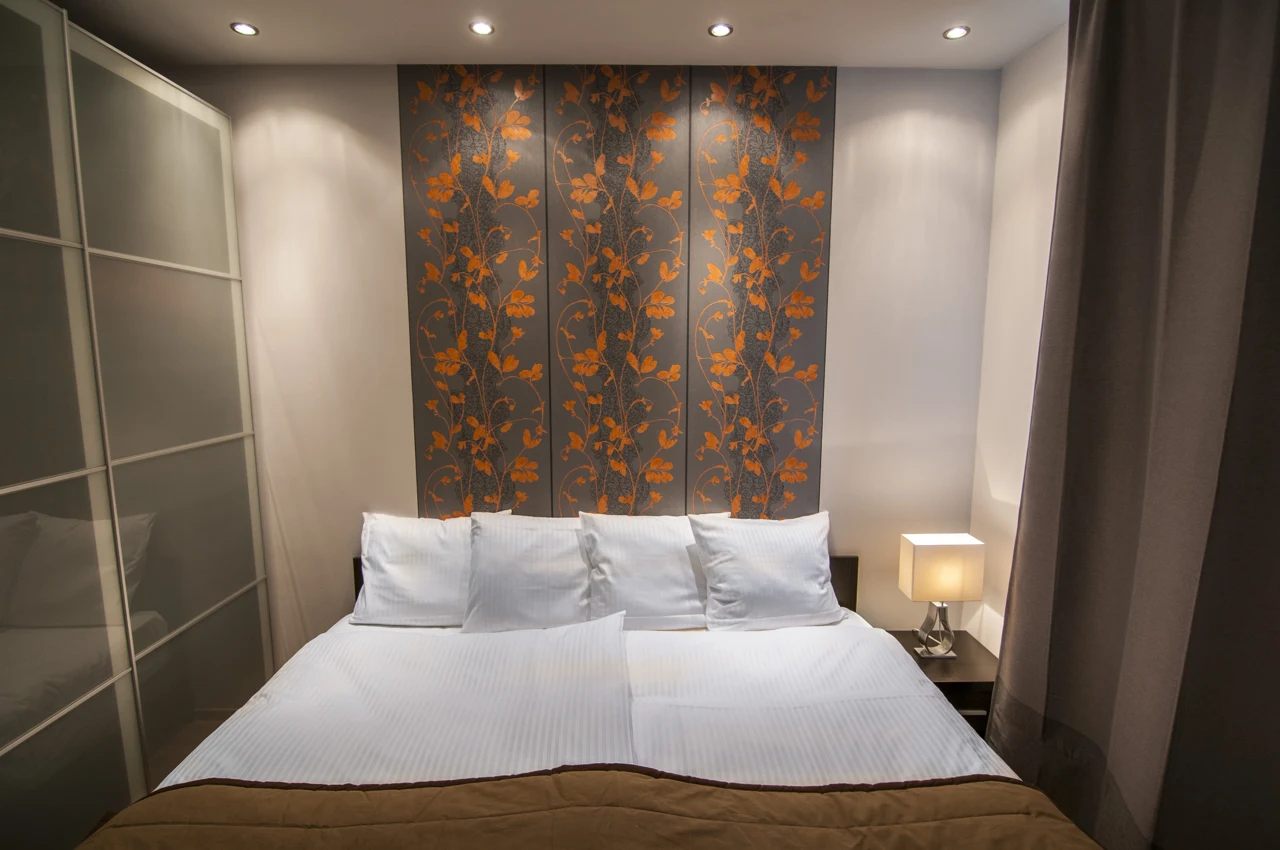
The packaging has another set of dimensions. Those describe the folded retail package, not the bed it covers. Likewise, a room photograph can show a made bed without establishing the thickness of a reader's mattress. Use the product's mattress measurements rather than an image or package height.
When checking another size, color or market listing, confirm the actual item and specification again. This comparison does not establish that every DVALA variant or every fitted sheet named Queen shares the same maximum thickness. Keep the article number with the dimensions when asking a supplier about it.
Example one: a declared mattress within the stated depth
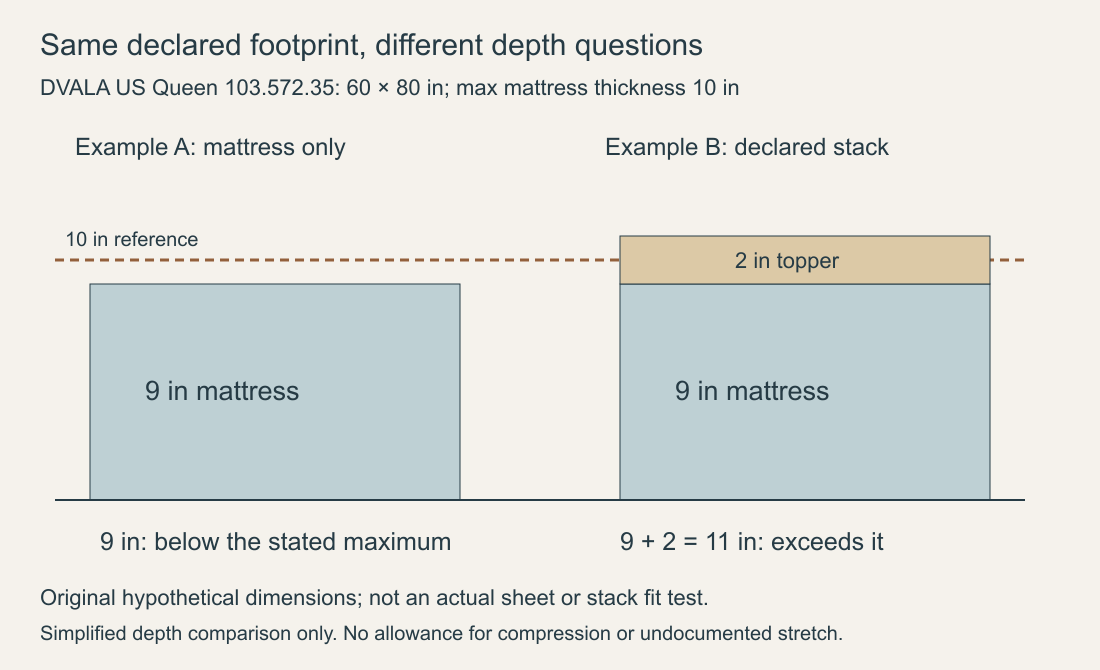
Imagine a hypothetical bed whose measured mattress footprint is 60 by 80 inches and whose mattress thickness is 9 inches. No topper is included in this first example. Against the cited DVALA dimensions, its footprint matches and its thickness falls below the stated 10-inch maximum by 1 inch. That is a dimensional comparison, not a physical fit test.
The one-inch difference is not an instruction to add something beneath the sheet or stretch its corners by a specified amount. The listing does not turn this arithmetic into a verified retention or comfort result. Confirm the actual product and bed before purchase, particularly when a shape, added layer or special construction complicates the comparison.
A purchase note can stay clear: “DVALA US Queen 103.572.35; listed 60 by 80, maximum thickness 10; my measured mattress 60 by 80 by 9.” That preserves the facts needed for a useful question without claiming the sheet was tried and stayed in place overnight.
Example two: adding a layer changes the question
Now declare a second hypothetical setup with the same 9-inch mattress and an additional 2-inch topper that the owner wants beneath the fitted sheet. The arithmetic total is 11 inches. Neither item is an actual topper or mattress reviewed here, and their nominal sum is a simplified model rather than a claim about compression or real corner geometry.
Eleven inches exceeds the selected sheet's stated 10-inch maximum. Do not treat the unchanged Queen footprint as permission to ignore that difference. Nor should the elastic edging be converted into an extra undocumented inch of capacity. This listing does not say that the sheet is tested over this particular stack.
Ask the supplier how to assess the actual combined setup and look for an appropriate product whose stated dimensions address it. Measure the real arrangement as instructed rather than subtracting an imagined amount for how much a topper might compress. The example identifies a specification mismatch; it does not solve it by promising stretch.
Compare the usable purchase, then the appearance
Keep included components and care instructions with the chosen product. A fitted-sheet listing is not automatically a full bedding set, and an inspiration image can include separately sold pieces. Confirm what the actual package contains before comparing prices with a bundle. No live availability or price is promised by this dimensional exercise.
Color and texture remain personal choices after the relevant dimensions are understood. The depth example supplies no claim about cooling, sleep quality, durability or skin comfort. Its practical benefit is avoiding an order whose footprint looks correct while the stated mattress-depth limit answers a different bed.
Sources & further reading
Published sources for the details and examples discussed in this story.