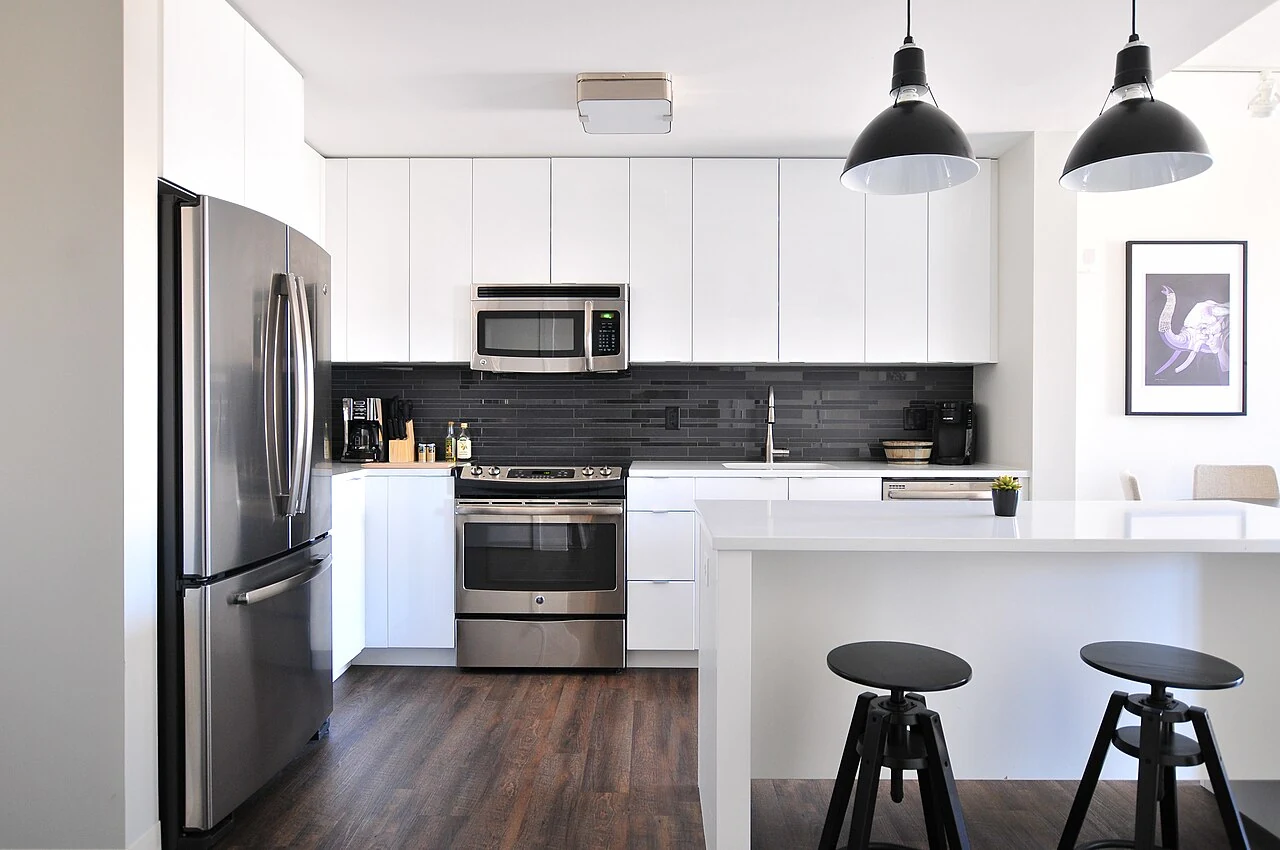
A small kitchen makes every appliance a negotiation. The machine that looks compact in a product photograph may still need space for an open door, a pulled-out basket and cooling before it can be put away. Before choosing an air fryer or countertop oven, write down three meals you make repeatedly. A useful purchase should make those meals easier without turning the rest of the kitchen into a storage puzzle.
Start with a normal Tuesday, not the largest advertised capacity
Imagine cooking two portions of vegetables alongside a main dish. If the vegetables need several separate batches, the appliance may save little effort even when its headline capacity sounds generous. Ask whether the food you usually prepare can sit in the arrangement required by the recipe and the appliance instructions. Liters, quarts and exterior dimensions do not describe exactly the same thing.
A basket-style model may suit a household that frequently reheats crisp foods or prepares one component at a time. An oven-style model may be more convenient when the useful task is toast, a small tray bake or different pan shapes. These are workflow comparisons, not a claim that either design always cooks better.
Measure the space the appliance uses while working
Measure the available counter, the distance below cabinets, and the route to a suitable outlet. Then read the specific manufacturer's instructions for ventilation and placement; do not use a universal clearance number found in a shopping roundup. Include the space you need to remove a hot basket or lower an oven door without blocking a walkway.
If the machine will live in a cupboard, lift a display model when possible and consider the trip from shelf to counter. A handle that feels acceptable for a quick lift may be awkward when you must carry the appliance across the room. A slightly less capable appliance that stays accessible can be more useful than a large one that rarely comes out.
Compare the cleanup you will tolerate
Look beyond whether one removable part is described as dishwasher-safe. Check the manual for racks, trays, basket coatings and cleaning around the heating area. Removable pieces still have to fit in your sink or dishwasher. A tray that cannot lie flat in a small sink changes the cleanup routine more than a glossy product photo suggests.
Mississippi State University Extension emphasizes not overfilling an air-fryer basket, allowing it to cool before washing, and checking food doneness with a thermometer. Those operating details matter more than a promise of effortless cooking. Plan a place for the appliance and its removable parts to cool safely before deciding where it will be stored.
Spend on a useful shape before a long preset menu
A transparent door, legible controls, a comfortable basket release or a tray that fits an existing pan may be worth more to your household than numerous named presets. Examine whether temperatures and times can be adjusted clearly. If someone in the household has reduced grip or vision, prioritize a control layout they can actually use.
Accessories deserve the same scrutiny. Buy a rack or liner only after confirming compatibility and whether the instructions permit it. Bundles can add storage clutter, especially when the basic tray already handles the meals you planned. Avoid paying for a second set of tools simply because it appears in the product bundle.
Make the final comparison a short checklist
Choose two or three current models and compare their manuals rather than a collection of retailer star ratings. Note usable cooking layout, exterior working space, cleaning requirements, return conditions and where replacement parts are obtained. Do not infer long-term reliability from a single enthusiastic review.
If neither option solves a recurring problem, keep using the appliance you already own for another week and record what felt inconvenient. The best reason to buy is a specific task you want to improve. The best reason to skip a purchase is realizing that the proposed shortcut would introduce a different daily chore.
Useful places to look
Sources & further reading
Published sources for the details and examples discussed in this story.