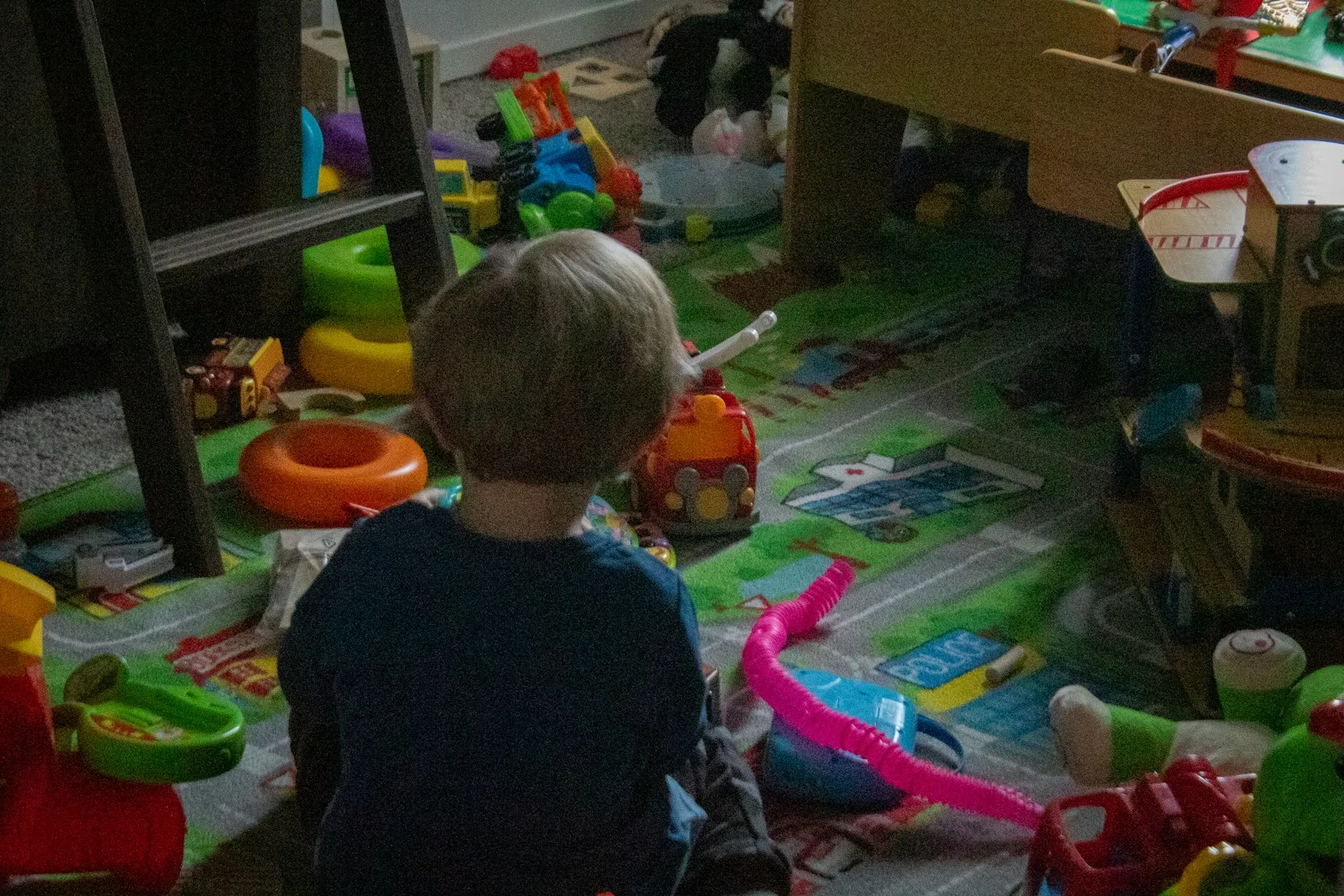
At the end of a busy afternoon, the problem is rarely a shortage of attractive baskets. It is that the train tracks, dress-up pieces and tiny accessories have no obvious place to go. A useful toy-storage system makes the next small action clear. Begin with the room and the children using it, then choose containers that support that routine instead of buying a matching set first.
Sort by the activity, not by the color of the container
Put construction pieces together, keep a puzzle with its pieces, and group pretend-play items that are usually used as a set. A child should be able to recognize what belongs in a container without decoding an adult's system. For younger children, a picture label may be easier to follow than a written category.
Avoid making every bin equally full just to create symmetry. A favorite building set may need a larger tray while occasional craft supplies can occupy a separate adult-managed shelf. The practical unit is the activity that gets taken out together. It is not the number of empty boxes available in a storage collection.
Keep different age groups in mind
A shared playroom needs more than a tidy appearance. The U.S. Consumer Product Safety Commission advises following toy age guidance and keeping small balls and toys with small parts away from children younger than three. Storage should help an adult maintain that separation rather than mixing every child's toys in one accessible basket.
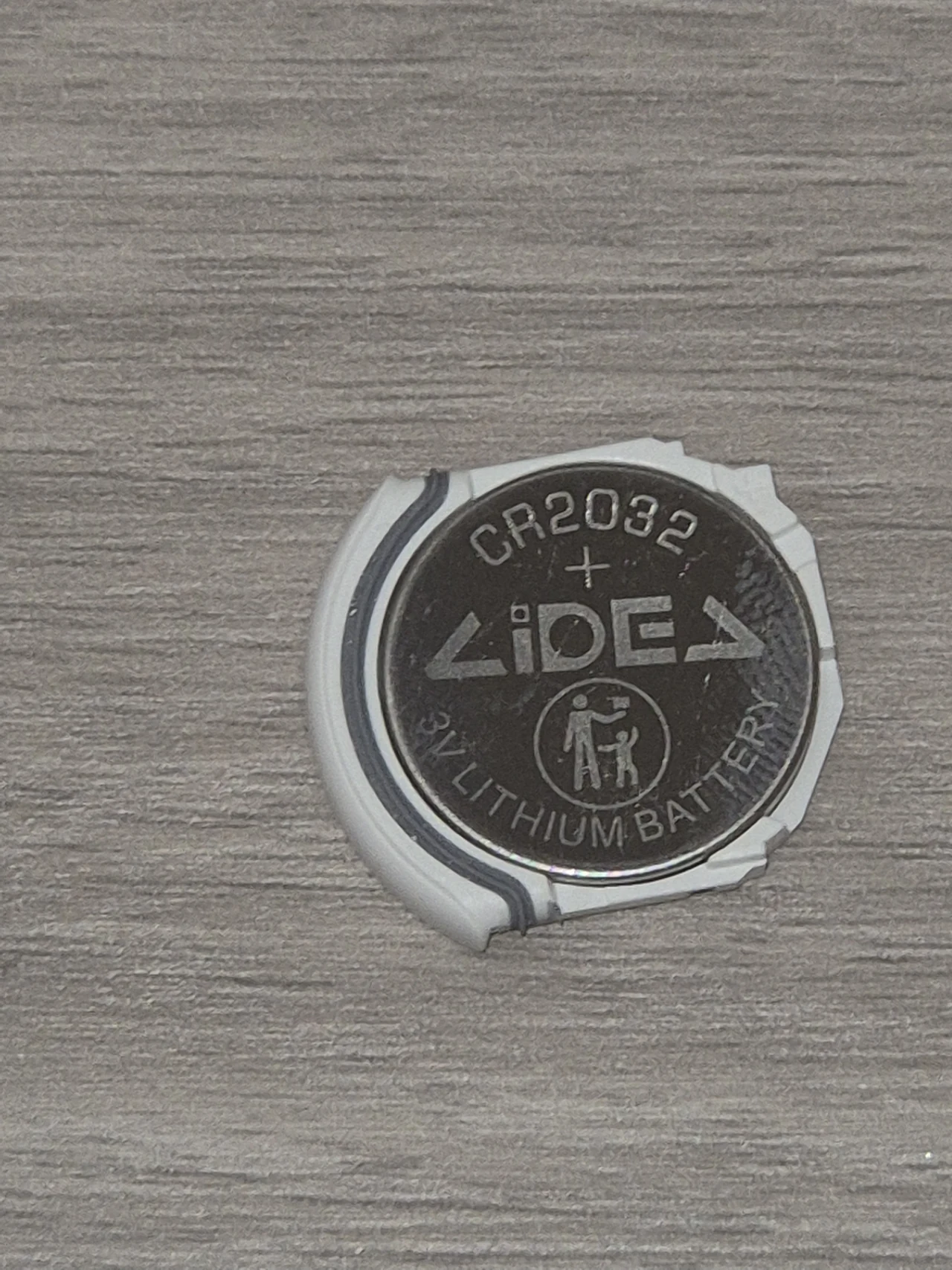
Place older children's small-part activities in a separately managed area, and put them away before a younger child uses the space. A high shelf is not a substitute for adult supervision or for following a product's safety instructions. Review the entire set, including loose accessories, batteries and damaged pieces, as part of the household routine.
Favor a container that is easy to identify and carry
An open basket can make soft toys easy to see, while a shallow tray may keep a small set from disappearing beneath unrelated pieces. A transparent container helps reveal its contents but can still be difficult to open if its clips are stiff. Consider how a child will return the container when it is full, not just when it is empty.
Check the storage product's intended use and instructions. A toy chest's lid deserves particular attention: CPSC's toy-safety guidance discusses lids that will not fall unexpectedly and the need to avoid pinch points and sharp edges. Do not repurpose a heavy-lidded household trunk simply because it looks right in the room.
Try a small rotation without hiding the favorites
If the room feels crowded, put a few less-used activities in an adult-managed storage area and leave the reliable favorites available. Treat the rotation as an experiment in space, not a promise that fewer visible toys will produce a particular developmental result. Notice what your children ask for and adjust accordingly.
A rotation only helps if its storage is manageable. Keep a simple list or a photograph of what is put away so another adult can find it. Do not remove the final container of an activity in the middle of an ongoing project. Agree on an area where a long build can stay until it is finished.
Test the evening reset before buying more furniture
Use containers you already have for several days. At cleanup time, observe where the system breaks down: a bin may be too heavy, the label may be unclear, or the shelf may be blocked by furniture. Fix that single obstacle first. A larger unit will not correct a category nobody understands.
Before purchasing shelving, check dimensions with the loaded containers and follow the furniture manufacturer's anchoring instructions. Keep the walking route clear. A successful system does not mean a permanently spotless room; it means that the toys can be found, used and returned with a level of help appropriate to the child.
Useful places to look
Sources & further reading
Published sources for the details and examples discussed in this story.