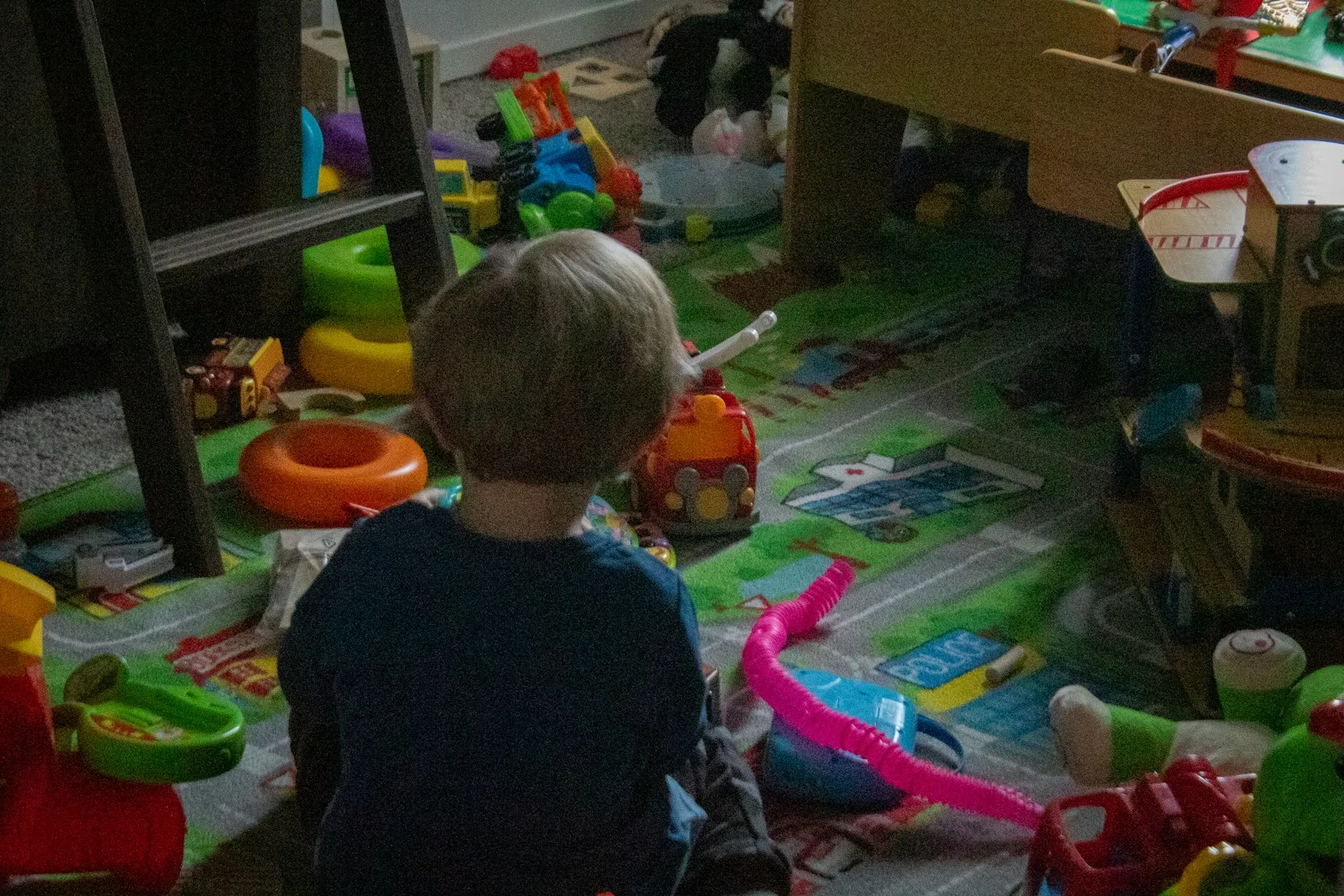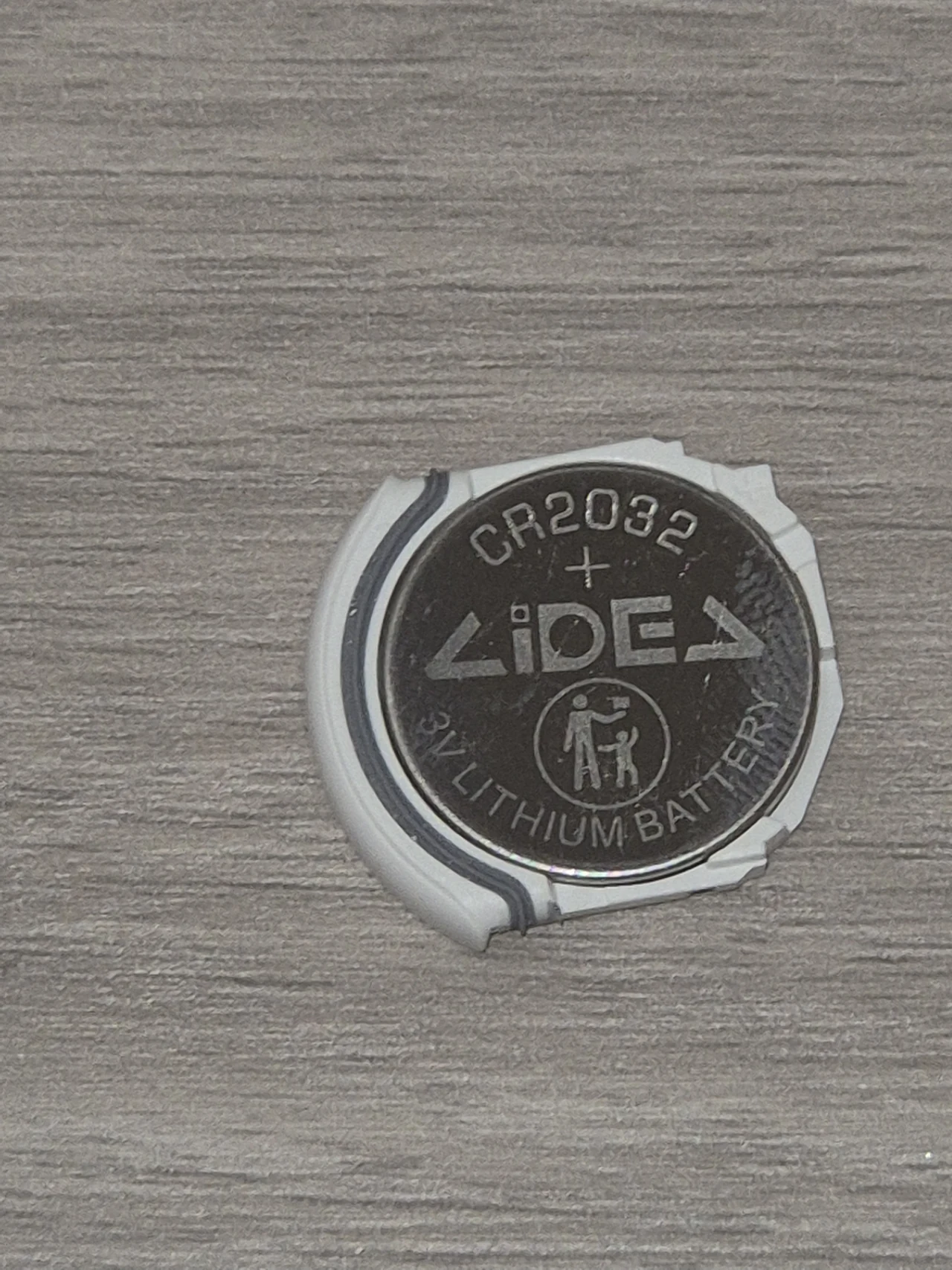
A television remote can look much less interesting than a new toy, yet both belong in a household battery-access check. The useful question is not whether an object was sold for children. It is whether the particular product contains a button or coin battery, whether the compartment is secure, and whether a loose cell could reach a child. Start with the objects actually in the home, including ones that visitors bring. This is a way to recognize an unresolved hazard, not a home certification of compliance.
Begin with the ordinary objects
Consider a hypothetical living room with a television controller, a small light remote and a spare controller kept in a drawer. Their similar appearance does not establish that they use the same batteries or have the same closure. Read each product's information and inspect its condition as the manufacturer directs. Do not open an unfamiliar device simply to complete a list, and do not give a child the object while an adult looks for its instructions.
The CPSC specifically warns about remotes, electronics and other products with accessible button or coin batteries. Its consumer guidance says to keep such products away from children when the compartments lack a screw closure. That practical warning should not be turned into the reverse claim that a visible screw proves a product is safe or legally compliant. A damaged closure, missing part or uncertain product identity still needs an appropriate manufacturer or official response.
Separate three different decisions
An object with a confirmed secure compartment presents a different question from a controller whose cover is loose. A loose battery outside any product is a third situation. Keeping these decisions separate prevents a reassuring note about one remote from concealing a problem elsewhere in the room.
For example, an adult may recognize the television controller and find no apparent damage, while being unable to identify the decorative-light remote. The second item should remain unresolved and inaccessible to children while its actual instructions are located. It does not acquire the first item's status because both were bought at the same shop. If a compartment is damaged, CPSC advises replacing, repairing or disposing of the product as appropriate; an improvised strip of tape is not evidence of a compliant repair.
Include the moment batteries are changed
A check of closed products can miss the short period when an old battery lies on a table and its replacement is still in packaging. Plan that operation before beginning. Choose a place children cannot access, keep track of the removed and replacement cells, and follow the product's instructions rather than assuming a similarly sized battery is interchangeable.
CPSC advises securing discharged button or coin batteries with nonconductive tape over the terminals or around the whole battery and taking them to a battery-collection center. That is disposal guidance for the removed cell, not a method for fixing a broken product compartment. Find the applicable collection route in advance instead of leaving an old cell beside the recycling until another day. New and used cells both belong out of children's reach.
Treat uncertainty about ingestion as urgent
If a child may have swallowed or been exposed to a button or coin battery, stop the household inspection. CPSC says to seek medical attention immediately and call the U.S. Poison Help Line at 800-222-1222 or the National Battery Ingestion Hotline at 800-498-8666 for treatment information. Do not postpone professional help to finish identifying a remote, wait for a symptom checklist, or try a home remedy from an unrelated article.
An unexplained missing cell is not something this guide can diagnose. Preserve relevant product and battery information if it can be done without delaying help, and follow the instructions of the emergency or poison service. Readers outside the United States should use their local emergency and poison-information services.
Buy for a resolved need
Replacing a damaged remote may be more useful than buying another organizer to conceal it. Before ordering a replacement, verify compatibility with the actual device and examine the maker's battery and compartment information. A product photograph cannot show that the item delivered will remain in good condition, and a sales badge is not a substitute for instructions or an applicable official warning.
The practical end point is a small, honest set of decisions: an identified product whose instructions are understood, an item kept inaccessible pending a specific answer, or a damaged item handled through the appropriate replacement or disposal route. Repeat the check when equipment or visitors' belongings change. No household checklist removes the need to keep batteries and uncertain products away from children.
Sources & further reading
Published sources for the details and examples discussed in this story.