A can of white beans and a can of tomatoes can become two warm bowls without an oven or a long ingredient list. This skillet starts with a small amount of onion, then lets the tomatoes thicken before the cooked beans go in. A spoonful of mashed beans gives the sauce more body; a little water loosens it again if you want something closer to a stew. Makes two servings. Allow about ten minutes for preparation and twenty minutes at the stove, using the texture cues below rather than treating the clock as a guarantee. Use commercially canned, already cooked beans for this method.
Gather the ingredients and a suitable pan
Use a 10-inch skillet with sides deep enough to stir the sauce comfortably, a spatula or wooden spoon, a colander and a measuring cup. A lid is useful if the sauce starts to spit. Have two serving bowls ready and choose bread or separately prepared rice as an optional accompaniment.
Read the packages for ingredients relevant to the people eating. Choose the paprika you actually want: smoked and sweet versions give different flavor directions. This dish does not require a specialty bean blend, a branded seasoning packet or a second pan for the sauce.
- 1 tablespoon olive oil.
- 1/2 cup finely chopped onion.
- 2 garlic cloves, finely chopped.
- 1/2 teaspoon dried oregano.
- 1/4 teaspoon smoked or sweet paprika.
- 1 can diced tomatoes, 14 to 15 ounces, including their juice.
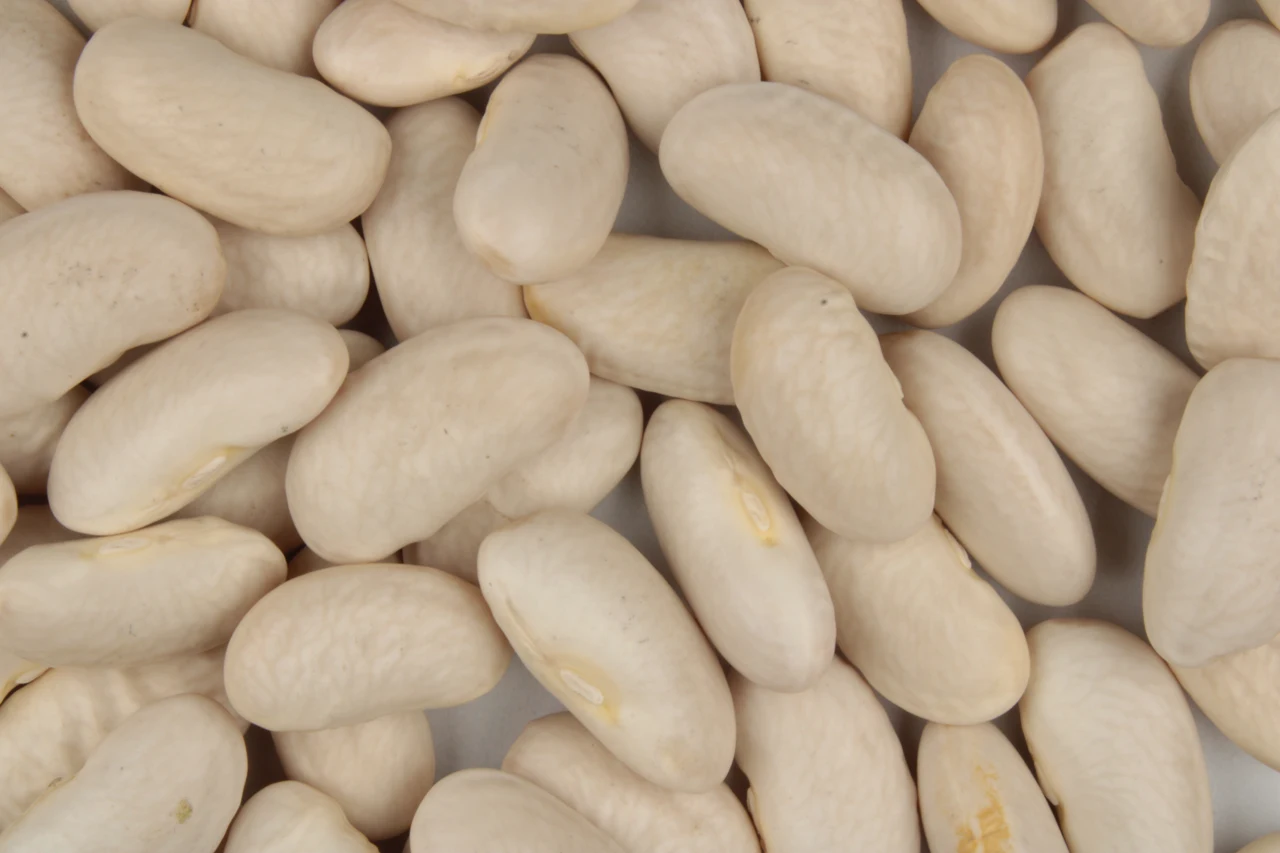
- 1 can cannellini or other white beans, about 15 ounces, drained and rinsed.
- 1/4 cup water, plus a tablespoon at a time if needed.
- 1/8 teaspoon fine salt to start, optional, and black pepper to taste.
- 1 teaspoon lemon juice or red wine vinegar, optional, for finishing.
- 2 tablespoons chopped parsley, optional.
Build the tomato base
Wash your hands and prepare the onion, garlic and any fresh herbs with clean utensils and a clean board. Rinse fresh produce under running water before cutting; FoodSafety.gov advises against washing produce with soap. Drain and rinse the canned beans in the colander while keeping the tomato juice for the pan.
Warm the oil in the skillet over medium heat. Add the onion and cook for about five to seven minutes, stirring frequently, until it begins to soften and looks translucent at the edges. Lower the heat if it is browning rapidly. The aim is softened onion distributed through the sauce, rather than dark pieces carrying the flavor of the whole dish.
Stir in the garlic, oregano and paprika for about thirty seconds, just until fragrant. Add the tomatoes with their juice and the quarter cup of water, scraping the bottom gently with the spoon. Bring to a gentle simmer, then reduce the heat enough to maintain small bubbles. Simmer uncovered for six to eight minutes, stirring occasionally, until the tomatoes soften and the liquid begins to coat the spoon.
Add the beans and choose the texture
Stir in the drained beans and the optional starting salt. Simmer gently for another five to seven minutes, stirring carefully so that most beans stay whole, until everything is steaming hot and the beans are hot through the center. Taste a small spoonful once it is cool enough to handle, then adjust pepper or seasoning as wanted.
For a thicker sauce, press about two tablespoons of beans against the side of the skillet with the back of the spoon and stir them through. For a looser bowl, add water one tablespoon at a time. Let each addition combine before deciding to add more. If the pan looks watery, continue simmering uncovered briefly; if the sauce catches at the bottom, reduce the heat and loosen it rather than scraping burnt material into the meal.
Turn off the heat. Add the optional teaspoon of lemon juice or vinegar, stir and taste before adding any more. Scatter over the optional parsley. Divide between the two bowls, carrying some sauce with each spoonful of beans, and serve promptly with the accompaniment you chose.
Make a substitution without changing the whole method
Great northern beans can take the place of cannellini in the same drained-can quantity. If using canned crushed tomatoes instead of diced, use the same can size and keep an eye on thickness because the starting texture is different. Begin with the stated water, then make small adjustments while the sauce simmers.
If you have no paprika, leave it out and let the garlic and oregano lead. If the tomatoes taste sufficiently bright already, skip the finishing acid. These changes preserve the basic onion, tomato and cooked-bean sequence. Dried uncooked beans are a different preparation and cannot simply replace the canned beans in the listed cooking time.
Save a portion while the serving is still organized
Transfer leftovers promptly into shallow containers and refrigerate at 40°F or below. FoodSafety.gov limits time out of refrigeration to two hours, or one hour above 90°F, and its cold-storage chart gives vegetable soups and stews three to four refrigerated days. Date the container so the saved portion has a definite place in the next few days.
To reheat, put a portion in a small pan with a little water, stir as it heats and check with a food thermometer that it reaches 165°F throughout, the FoodSafety.gov minimum for leftovers. Stirring distributes the sauce and beans; a hot edge alone does not establish the temperature in the rest of the portion.
Sources & further reading
Published sources for the details and examples discussed in this story.