Rice can anchor a simple supper and a planned lunch, provided the second meal is part of the plan from the start. The useful purchase is often a pair of suitable containers rather than a large meal-prep system. Cook an amount you can store properly, and keep the flavor choices flexible enough for two different meals.
Plan the second serving first
Decide when tomorrow's rice will be eaten and whether refrigeration and suitable reheating are available. If lunch will travel, work out how it will stay under appropriate temperature control. A container with a tight lid is not a substitute for refrigeration. Choose a different lunch when the journey or workplace facilities cannot support the plan.
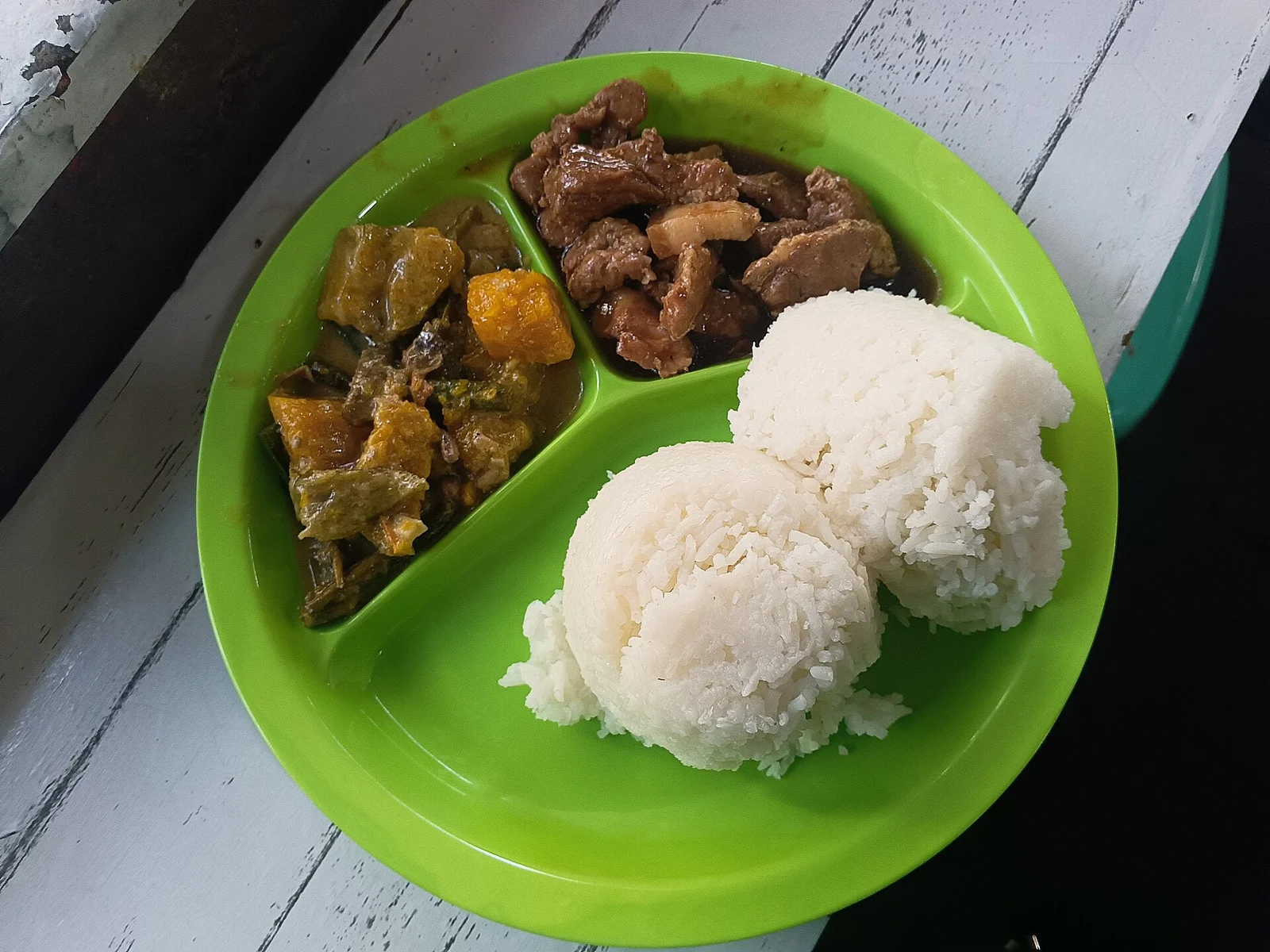
For tonight, use rice cooked according to its packet directions alongside vegetables and a familiar protein prepared safely by its own method. A spoonful of sauce can bring the plate together, but keep some components separate if that will make tomorrow's lunch easier to assemble. Avoid producing extra simply because a large pot is already on the hob.
Build supper from separate useful parts
A practical starting combination is cooked rice, sauteed peppers and onions, and beans from a properly handled can, seasoned to taste. Check the labels and suitability of any sauce for the people eating. Add delicate herbs or a crisp topping at the table so the reserved portion does not depend on keeping every texture unchanged overnight.
Serve the meal promptly. Put the portion intended for storage into an appropriate shallow container rather than leaving the whole pot beside the stove until bedtime. Use clean utensils and avoid mixing old leftovers into the newly prepared batch. Keep track of each component's earlier handling; assembling a new dish does not reset its storage history.
Cool and store with a definite boundary
USDA recommends refrigerating leftovers promptly in shallow containers, with a maximum of two hours out of refrigeration, reduced to one hour above ninety degrees Fahrenheit outdoors. Follow the full guidance and keep the refrigerator at forty degrees Fahrenheit or below. Do not wait for a large pot to sit around for the evening before deciding what to save.
Mark the container with the contents and preparation date. USDA's general refrigerated leftovers guidance is three to four days, with freezing for longer storage. Your own ingredients or instructions may call for a shorter period. If you cannot establish how something was handled, do not treat an appealing smell or appearance as proof that it is safe.
Make lunch a fresh decision
Reheat leftovers as directed, checking that they reach one hundred sixty-five degrees Fahrenheit throughout with an appropriate thermometer. Microwaved portions can heat unevenly, so follow the appliance guidance about stirring, covering and standing. Use a container suited to the heating method; storage suitability alone does not mean every lid or box belongs in the microwave.
Add a freshly prepared garnish or side if wanted and eat promptly. Compare the container's practical details after the meal: did it fit the bag, open comfortably and wash easily? A small set of durable, compatible containers may serve better than a cupboard full of mismatched boxes. Keep lids paired so a planned lunch does not begin with a search through a drawer.
Sources & further reading
Published sources for the details and examples discussed in this story.