When the soup is already smooth and creamy, another soft accompaniment may add more of the same character. A crisp side can provide a clearer contrast. Before adding a second rich dish, decide whether you want a different texture, a different temperature or simply more food. Those aims need not produce the same pairing. The comparisons below are hypothetical and untested. They hold one named soup fixed: Campbell's US Ready to Serve Tomato Soup in the 7.25-ounce can, case code 00447, UPC 51000004472. This is not the condensed product, a different microwavable bowl or a universal tomato-soup method. The examples concern meal composition, not nutritional completeness or a clinical texture recommendation.
Name the soup's dominant character
The manufacturer's page describes this particular soup as smooth and creamy. Its ingredient list includes tomato puree, wheat flour and cream, and declares wheat and milk. Those facts matter before a pairing is considered. A side described as simple or plant-based does not change the soup's allergens.
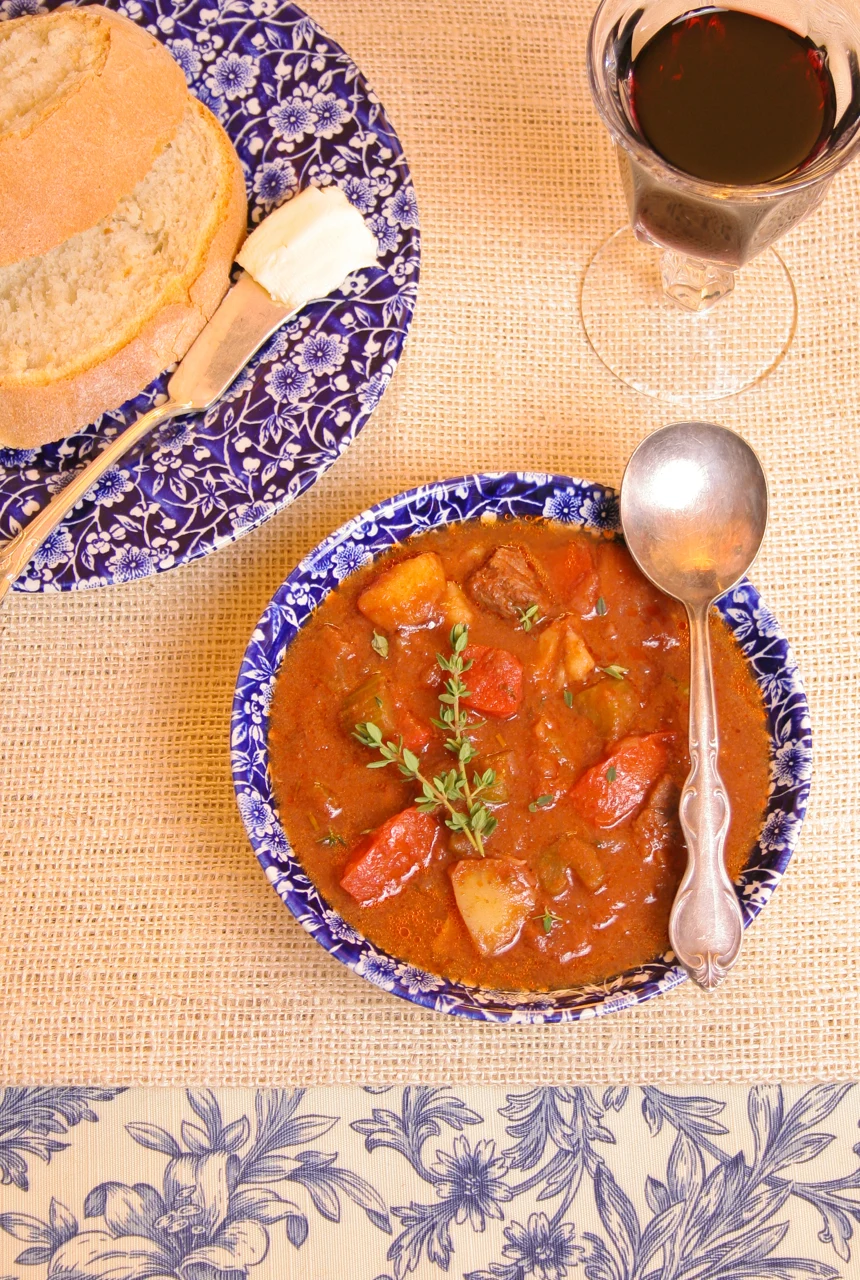
In the imagined meal, the soup is already appropriately heated under its own instructions. Its warmth and smoothness are the starting point. The first side should be judged against that starting point, rather than chosen because a styled photograph displays several attractive dishes together.
Pairing one: warm soup and plain crispbread
Set Wasa Sourdough Crispbread beside the soup and keep it separate until you want a bite. Here the side's role is distinct: an ambient-temperature crisp element against the warm smooth soup. It does not need a thick topping to justify its place on the plate.
The hypothetical diner can alternate the two textures or dip a piece immediately before eating it. This is not a tested claim about crispness after soaking, and the feature does not propose assembling wet bread ahead of time. The simplest comparison is plain crispbread beside soup, not a new recipe for croutons or a reheated bread dish.
Wasa's US Sourdough ingredients include rye flour, and its page says the product may contain wheat and sesame. Check the actual package, including its storage directions. The soup's milk and wheat declaration remains relevant whether or not the bread is eaten separately.
Pairing two: warm soup and a cool soft accompaniment
Now imagine adding a small dish of appropriately refrigerated Sabra Classic Hummus alongside the same soup and crispbread. This introduces a cool component and the dip's different flavor, but also introduces another soft texture. If the desired change was mainly crunch, the hummus does not perform that role by itself.
The second pairing may appeal to someone who wants to alternate warm soup with cool dip on crispbread. It may feel less appealing to someone seeking a lighter contrast in the sense of texture and flavor emphasis. That judgment is personal and is not a statement about calories, digestibility or which meal is healthier. We have not tasted either version.
The useful decision is whether the extra component contributes something you want. There is no need to add it merely to make the plate look more elaborate, and no reason to buy a whole tub solely because a meal photograph contains a dip bowl.
Keep preparation instructions attached to each product
Campbell's instructions for this exact ready-to-serve can require emptying it into an appropriate vessel rather than heating the can. Its microwave method uses a covered microwave-safe bowl, followed by a standing period and stirring; its stove method uses a saucepan with occasional stirring. Follow the current package's complete method and cautions, including its actual heating guidance. Do not substitute instructions for condensed soup or assume that a different pack has the same method.
For the named Classic Hummus, the linked US SmartLabel declares sesame and directs refrigeration, consumption within seven days of opening and observance of its use-by date. Sabra's FAQ specifies at-or-below-40°F refrigeration and disposal after two hours outside refrigerated conditions. Keep that component under its own requirements; serving it beside hot soup does not make it a heated dish or extend its storage life.
This comparison establishes no new storage period for the soup, bread, dip or combined leftovers. Consult each actual package and applicable food-safety guidance rather than transferring an unopened product's shelf life to an assembled meal.
Sources & further reading
Published sources for the details and examples discussed in this story.