The bathroom shelf can fill up even when the daily routine stays almost unchanged. Half-finished bottles accumulate around the products that actually get used. A smaller routine begins with noticing that difference. You do not need a new matching collection to make the sink feel calmer or the morning easier to follow.
Start with what is open
Take an inventory without decanting everything into identical jars. Keep each label readable, and check the maker's storage and use directions. Separate items that are finished, unsuitable or no longer identifiable from products you know you still want. Follow local disposal advice for items that require particular handling rather than pouring them down the sink.
For one ordinary week, notice which products you reach for and when. A notebook line is enough: used, skipped or awkward. This is a description of habits, not a clinical experiment. Do not continue using something that causes a reaction just to complete the exercise; seek appropriate professional advice about symptoms or persistent skin concerns.
Read beyond the reassuring name
FDA explains that terms such as hypoallergenic and for sensitive skin do not have a federal standard in the United States. They are not guarantees that a particular person will tolerate a formula. Read the ingredient panel, and ask the manufacturer about an ingredient you need to avoid rather than relying on the front of the package.
A simpler shelf can make that information easier to keep, but fewer bottles are not automatically a medical solution. Avoid introducing several unfamiliar products together simply because they belong to the same range. If you already have a clinician's advice or prescribed routine, let that guide your choices rather than an organizing trend.
Match the container to the room
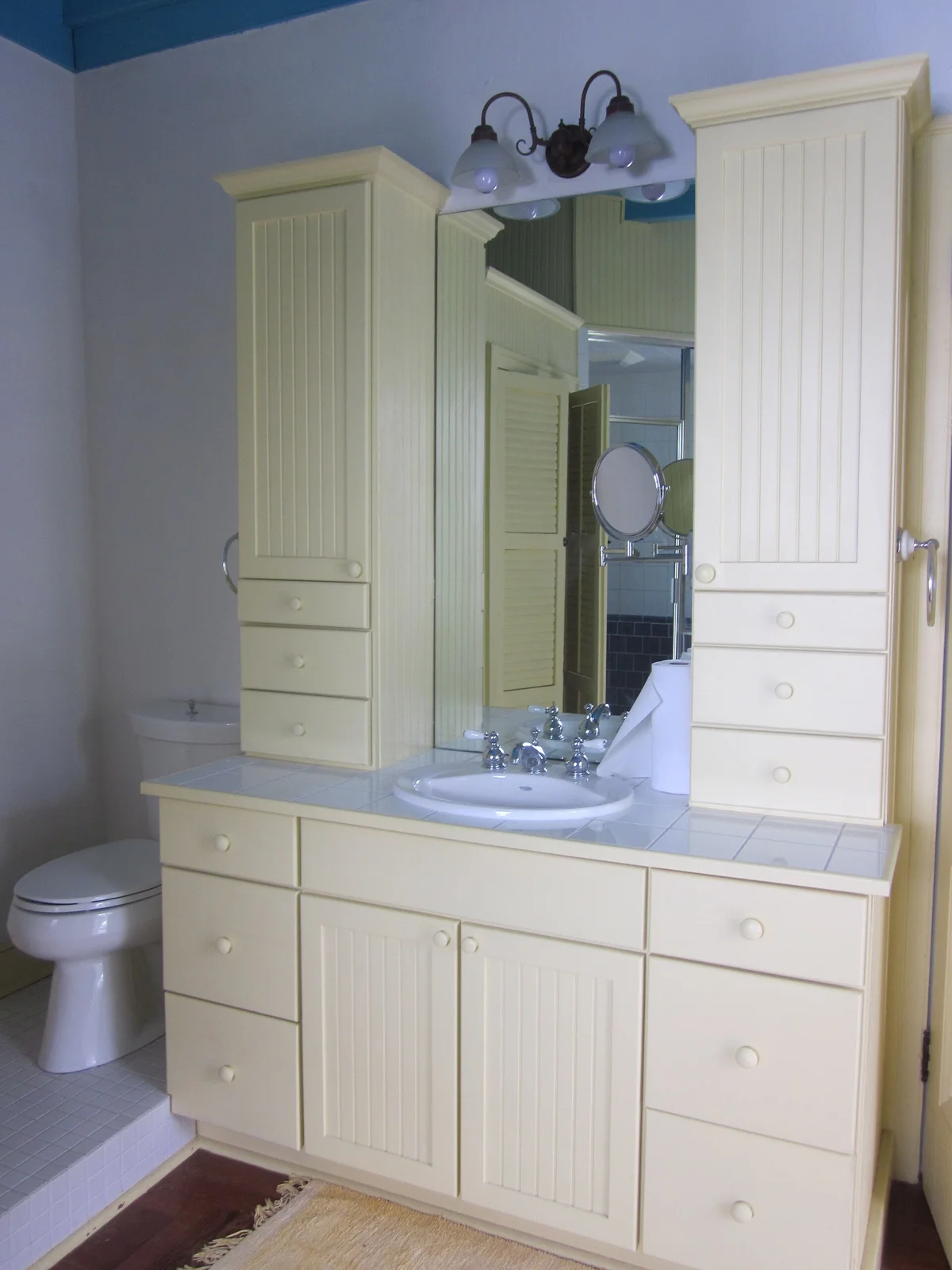
A large pump may be convenient at home and cumbersome on a narrow ledge. A tube may be easier to keep upright, but only if its cap can be handled comfortably. Consider wet hands, shelf height and whether a bottle blocks the mirror cabinet. Useful packaging is part of the product, not a detail to overlook until it arrives.
Keep the immediate routine within easy reach and store occasional items according to their instructions. Do not put heavy glass on a precarious shelf merely to create a pleasing display. Leave enough room to wipe the surface without moving a crowd of containers. A clear patch of counter is a working feature.
Replenish one real gap
Before ordering, check for an unopened equivalent and calculate whether the larger size will realistically be used under its stated conditions. A lower unit price is less useful when much of the container goes unfinished. Smaller quantities may make sense for an occasional product, especially while you are still deciding whether it fits your routine.
Choose one improvement to try: easier access, a more practical cap or a product that replaces an item you have genuinely finished. Keep a brief note of the exact name and size if you want to repurchase it. That record prevents another nearly identical bottle from entering the collection by accident.
Sources & further reading
Published sources for the details and examples discussed in this story.