Booking a new nail color sounds straightforward until the provider asks what is currently on the nails. “Something like gel” may be an honest answer, but it does not identify a product system or explain what removal work the appointment will involve. The useful next step is a service conversation before the booking is treated as complete. This guide does not provide removal instructions, diagnose a nail problem, or recommend trying solvents or tools at home.
Describe knowledge rather than certainty
Start with what can actually be established. A previous appointment confirmation may name the service, a receipt may identify the salon, and a product label or message from the original provider may name the system. Preserve those details separately from recollections such as “it was cured under a lamp” or “it felt thicker than polish.” Neither a photograph nor a familiar marketing word proves the complete product history.
Imagine a hypothetical client who remembers a branded color name but cannot say whether an enhancement was already underneath it. The color name may help the new provider ask the next question, yet it does not settle the entire removal service. Say what is unknown instead of choosing whichever booking category has the nearest description or shortest listed appointment.
A manufacturer's separate protocols show why identity matters
CND's professional resources list distinct product systems and separate removal documents, including SHELLAC, BRISA, PLEXIGEL and liquid-and-powder enhancements. That organization is a useful example of why “remove my color” can conceal several different service questions. It is not evidence that a reader has any of those products, or that every salon uses the same categories.
The appropriate use of that information is to ask the provider what it needs to know about the actual coating and any layers beneath it. Do not extract a step from one professional document and apply it to an unidentified material. This article deliberately stops before chemical selection, filing, soaking or other removal techniques. Those details depend on the actual product and appropriate professional assessment.
Ask about the unknown-work boundary
A clear booking enquiry might say: “I would like a new color, but I cannot confirm the existing coating. Can you assess it before agreeing the removal service, and what should I bring to help identify it?” That gives the provider room to explain its process without pretending that a vague description is a diagnosis.
Then ask whether the initial appointment includes assessment only, confirmed removal, a new application, or some stated combination. Ask how additional time or a different service would be discussed if the original description proves incomplete. Do not assume that a quoted color-change price covers every existing coating, that an online deposit includes all removal work, or that the provider can complete an unidentified service within a standard slot. These are questions for the specific business, not universal nail-service rules.
Keep the picture in its proper role
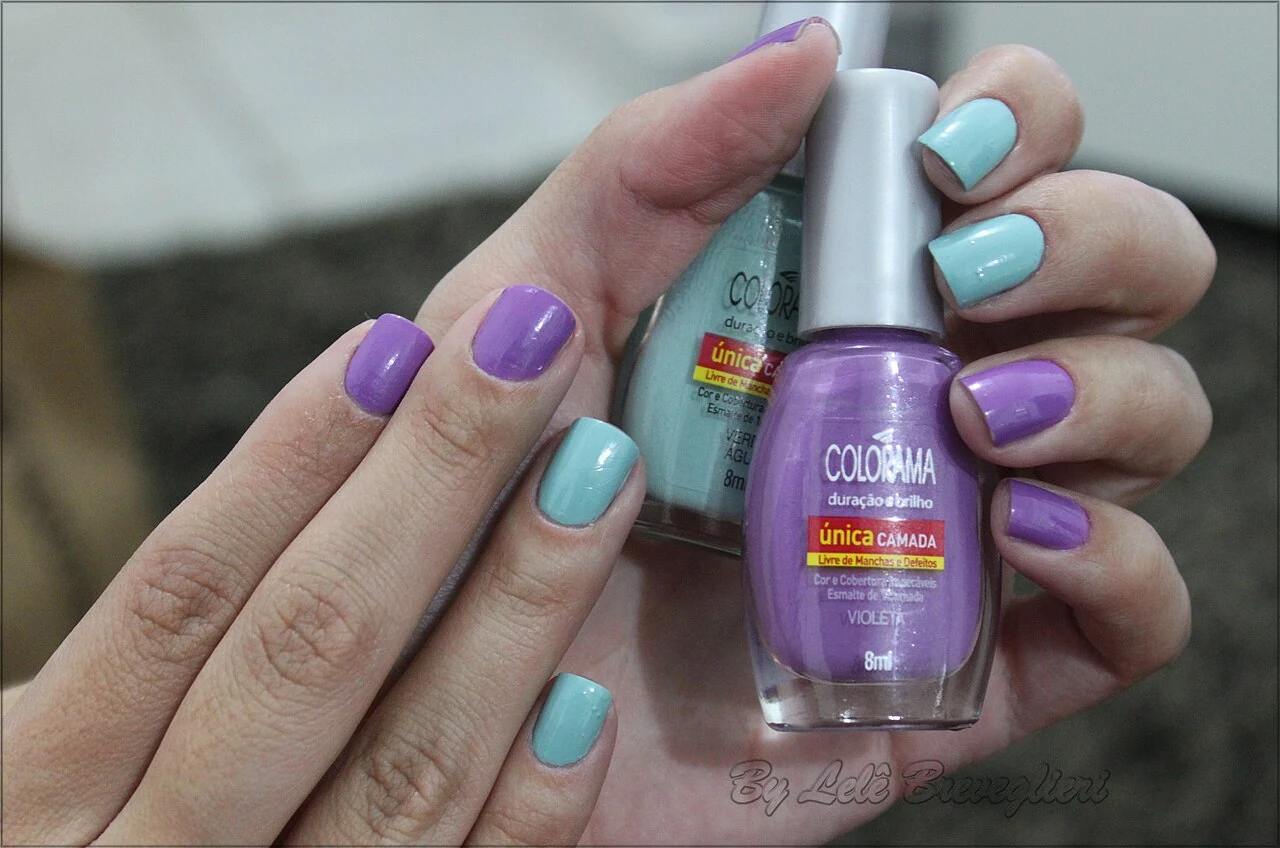
A current photograph can help communicate visible length, shape or the area of concern if the provider requests one through its known channel. It should not be presented as proof of the product system or permission to proceed. Avoid sending unrelated personal information, and do not rely on a filter or an old photograph that no longer shows the current state.
If there is discomfort, injury or another health concern, describe that fact plainly and seek appropriate qualified advice rather than asking a cosmetic booking form to resolve it. A service enquiry is not a substitute for care. Likewise, a provider agreeing to examine a coating does not establish a promised cosmetic result or mean that every requested service will be appropriate.
Confirm the revised appointment
Once the provider has answered, read back the scope in ordinary words: the existing information supplied, what remains to be assessed, which service is actually booked, and how any change will be authorized. Keep its actual cancellation, deposit and timing terms with that confirmation. This protects the distinction between a request and an agreed service without turning a routine beauty appointment into a legal argument.
Sometimes the sensible outcome is a different appointment or a referral back to the original provider for product information. That is more useful than buying a home-removal kit to avoid admitting uncertainty. If a product purchase later becomes relevant, choose it only after the actual professional advice and maker's instructions are understood; no retail label can fill in a missing coating history by itself.
Sources & further reading
Published sources for the details and examples discussed in this story.