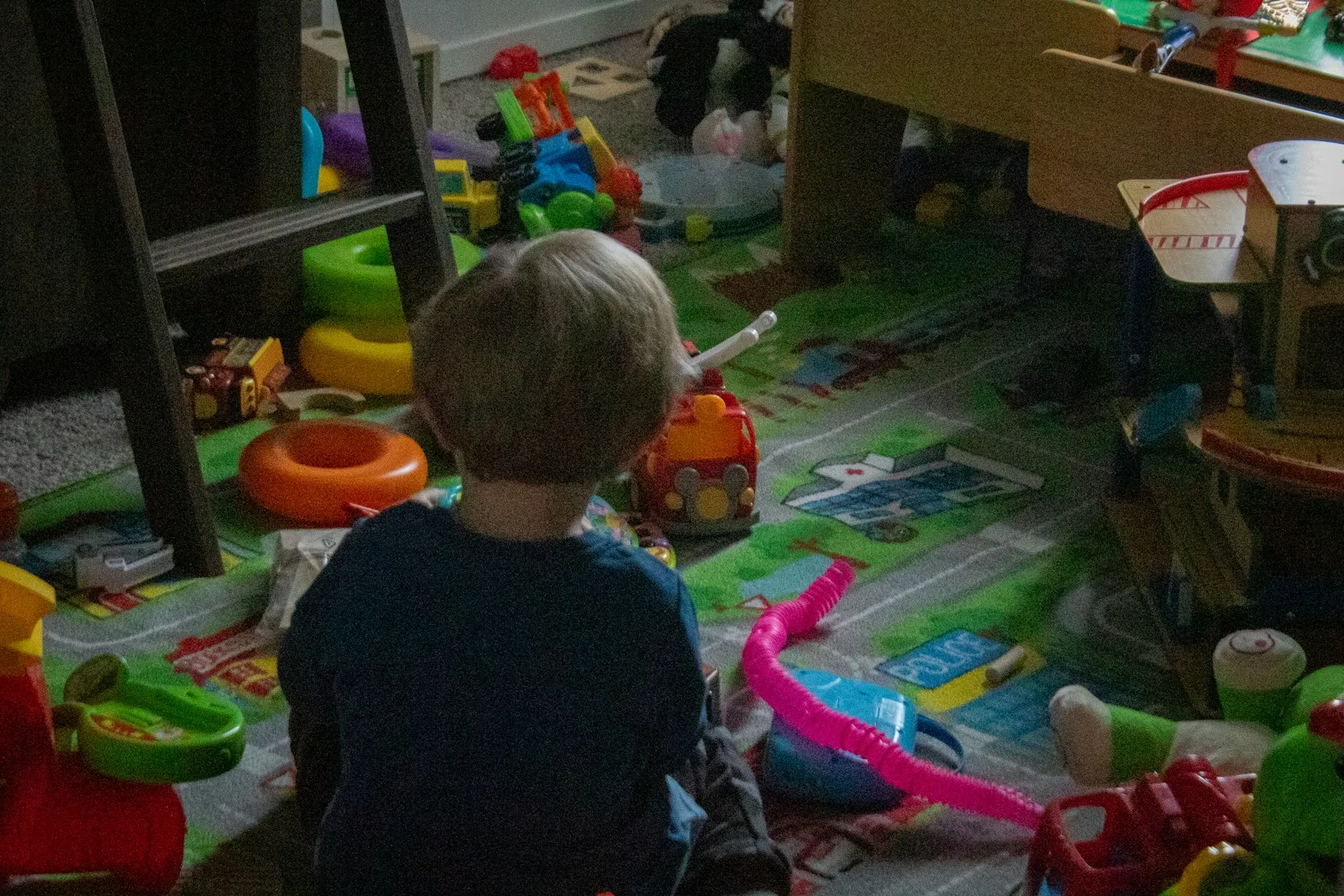
A new pretend-play story does not necessarily need a new themed set. Sometimes the important change is what an existing object is allowed to represent. A familiar toy can remain exactly as its maker intended it to be used while acquiring a different role in an invented story. The child's decision, rather than a finished scene prepared by an adult, can lead the change. The two scenes below are original imaginary examples, not observations of children or claims about developmental outcomes. Choose toys appropriate to the actual child's age, interests and abilities, follow packaging guidance and check current recall information. CPSC's toy guidance specifically calls for matching toys to children and following safety information. A creative story does not override a toy's intended use.
First story: a journey with an undecided destination
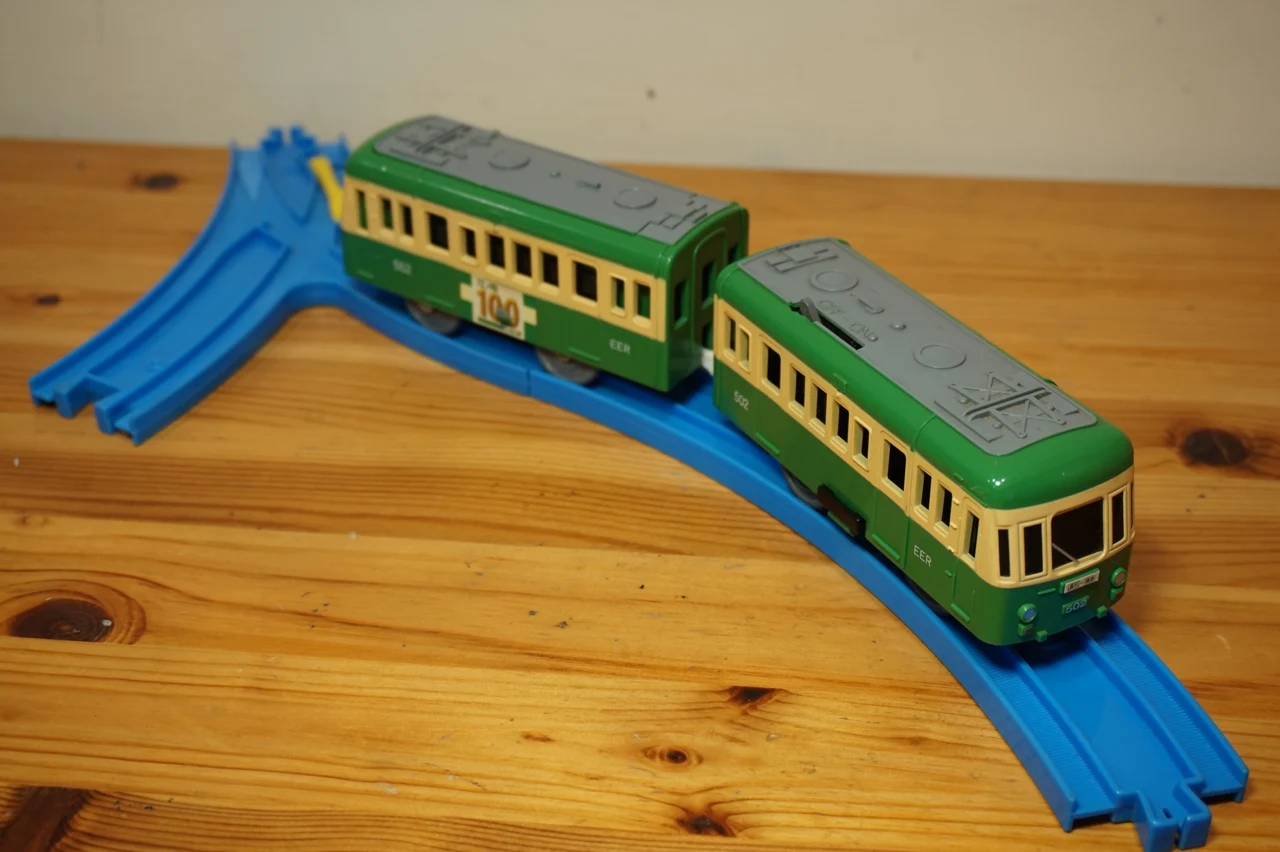
Imagine a child already has a suitable toy vehicle, two suitable figures and a building toy that can be used as supplied. In the first story, the vehicle stops beside the building. An adult asks, “Who might be waiting here?” The child decides one figure is a visitor and the other is looking after a lost delivery.
The adult can join as the visitor without deciding what the package contains or where it must go. “I do not know this place yet,” gives the child an opening to describe it. If the child says it is a library, the building becomes a library in the story. Nothing needs to be physically modified or supplemented with miniature accessories.
The toy vehicle still moves only in ways appropriate to the actual toy and setting. Do not turn it into a ride-on, put somebody inside a component or add improvised strings merely because the story involves travel. Representation can change without changing how the object is handled.
Second story: the same building becomes a rehearsal room
On another invented afternoon, the same figures gather at the same building. The vehicle is now bringing somebody to a rehearsal. The child decides whether the figures are practicing a song, waiting for a performer or changing the event altogether. The adult has not supplied a complete show to reproduce.
This time, the useful invitation might be, “Is the visitor early or late?” Either answer leaves another decision open. A late visitor might miss the beginning, or the child might decide nobody minds. The story does not need a lesson about punctuality or an adult-designed conflict to resolve.
Avoid announcing that the building is a theater before the child has a chance to decide. If they prefer the delivery story again, repetition remains a genuine choice. Offering a different possibility is not a requirement that the next play period demonstrate more imagination than the last.
Join a role, leave the direction open
An adult participating in either story can ask what their figure knows or wants. “What should my person do here?” makes the child's direction explicit. It also allows the child to say they would rather play alone or have the adult watch.
Keep suggestions small enough to discard. If a proposed rehearsal becomes a picnic in the child's telling, there is no need to recover the planned theme. The same objects can support a new imagined relationship without being judged by whether the finished scene resembles their packaging.
Buy for a missing action, not a complete backdrop
Before purchasing another themed set, notice whether a particular suitable play action is actually missing. A scenery pack may add objects without adding the choice the child wants. Read age guidance, included parts, warnings and intended use for the exact product; an image of a similar set is not enough.
Do not add household items or small improvised pieces simply to fill a visual gap. A known toy's suitability does not transfer automatically to everything placed beside it. If the existing toys already support the desired story, the most useful addition may be time and permission to rename the scene.
Sources & further reading
Published sources for the details and examples discussed in this story.