A sweater does not have to change shape to feel different within an outfit. Its relationship to what sits below it can supply the contrast: a generous lower outline can continue its volume, while a straighter companion can make its width more noticeable. The choice is about the ensemble you prefer, not a technique for correcting a body. The outfits below are invented visual studies using the same hypothetical sweater and existing clothes. Getty's art vocabulary distinguishes line, shape and form; here those terms help describe visible relationships. They do not establish fit, comfort, fabric behavior or a universally flattering result. No garment was worn or tested for this feature.
Describe the sweater that stays the same
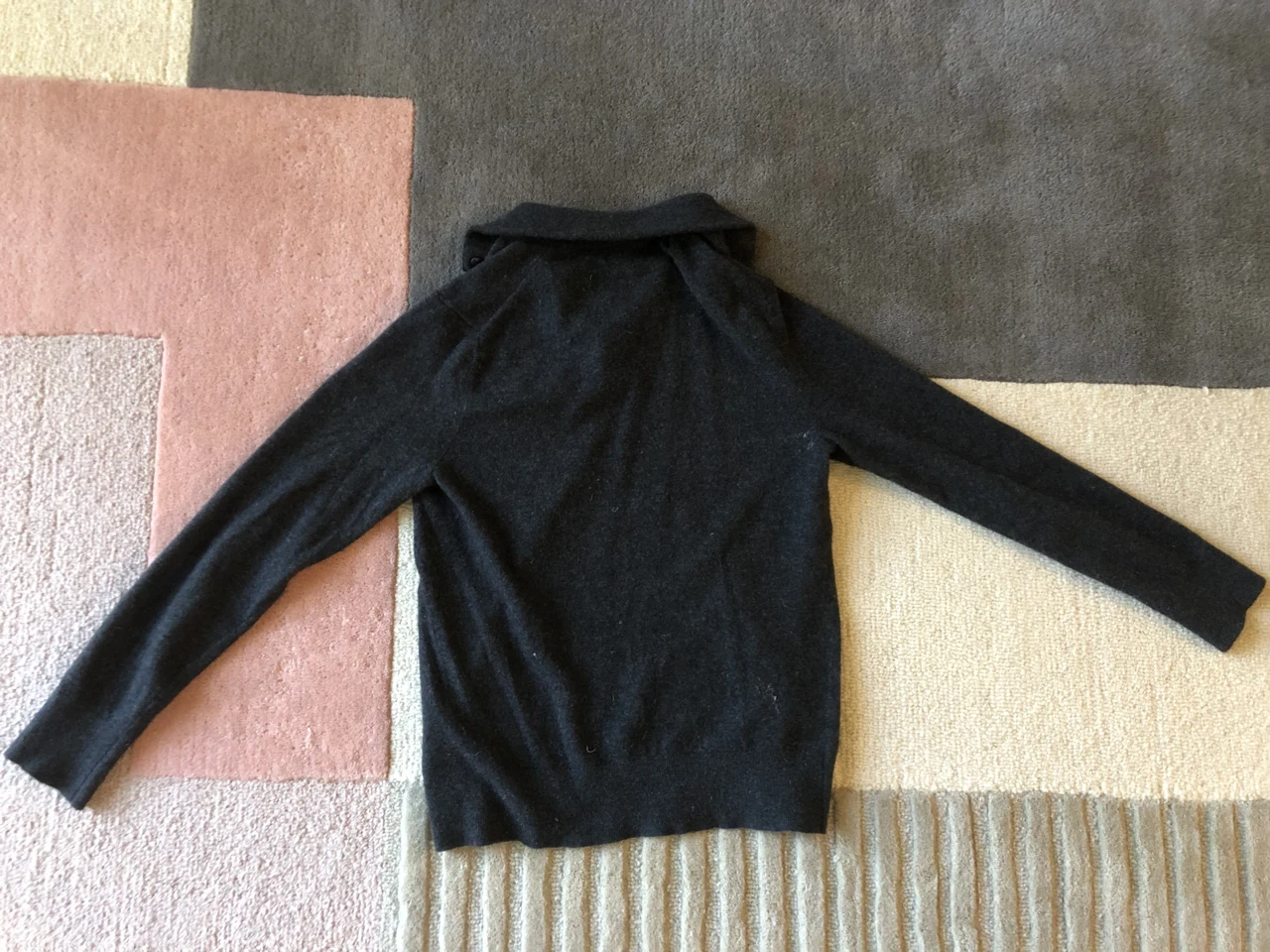
Imagine a hip-length sweater with a broad, fairly straight body and sleeves that belong to its existing design. Its lower edge remains where it naturally falls. The first decision is to keep that edge visible rather than repeatedly tucking, stretching or folding the garment to force another shape.
The sweater is not oversized because of a body type or a size label in this imagined example. Its visible width is simply one of the defined features. A real item still needs its own fit and care checks; the study does not supply those from appearance alone.
First outfit: let the lower half continue the volume
Pair the sweater with an existing wide, softly falling pair of trousers appropriate for the wearer. In the imagined front view, the sweater's breadth continues into another generous outline. The two pieces make a relatively uninterrupted column of volume, although their edges and surfaces remain distinct.
This can be the deliberate choice for an ordinary day when the wearer likes that generous outline. It does not need to be rescued with a narrow accessory merely because somebody calls it relaxed. The outfit can remain simple, with the actual footwear and other practical needs chosen appropriately rather than introduced as visual corrections.
Ask what you enjoy about the relationship. Perhaps it is the lack of a sudden narrowing at the sweater's hem. Perhaps you would prefer more contrast. Naming that preference gives the second version something concrete to change.
Second outfit: give the broad sweater a straighter companion
Keep the sweater exactly as before and replace the wide trousers with an existing straight skirt whose visible sides are less expansive. In this hypothetical view, the sweater's breadth becomes more distinct because it meets a quieter lower outline. The hem is still the same; what it is beside has changed.
The result may feel more defined to this wearer without adding jewelry, a belt or a new bag. It is not inherently dressier, and a straight skirt does not automatically suit a particular event. The actual garments, setting and personal preference determine that separately.
Compare the two ensembles in your imagination from the same viewpoint. The first continues the volume; the second gives it a clearer contrast. Do not credit a sleeve adjustment or a tucked corner for a change that the study actually makes through the lower garment.
Keep one useful edge instead of adding another accent
In either version, the sweater's ordinary hem can be the edge you choose to notice. A second strong accessory might create a different point of emphasis, but it is optional. If the outfit feels unresolved, return to the two existing lower pieces before shopping for a finishing item.
You may prefer the generous version for one occasion and the straighter one for another. Or neither companion may feel right in actual use. An imagined outline is a way to clarify a preference, not an instruction to keep wearing an uncomfortable or unsuitable combination.
Buy for a genuine gap
If neither suitable companion is already owned, check whether you genuinely want the new outfit before purchasing one. Inspect the exact item's dimensions, fit information, composition and care; no sketch of a silhouette can replace those details. Keep return conditions and the rest of the wardrobe in the decision.
The least expensive next step may be to keep the sweater in the combination you already enjoy. A different outline is an option to explore, not an obligation to turn one garment into a larger shopping list.
Sources & further reading
Published sources for the details and examples discussed in this story.