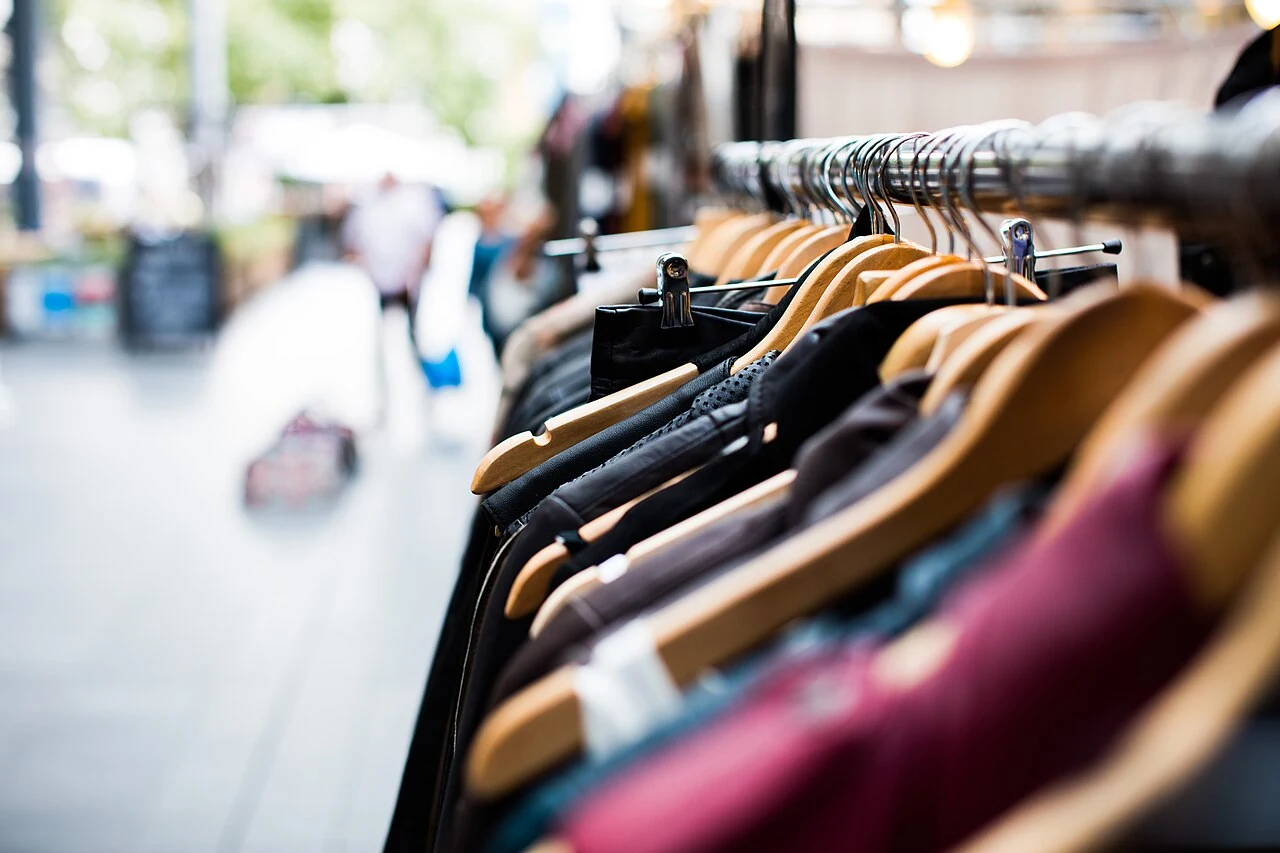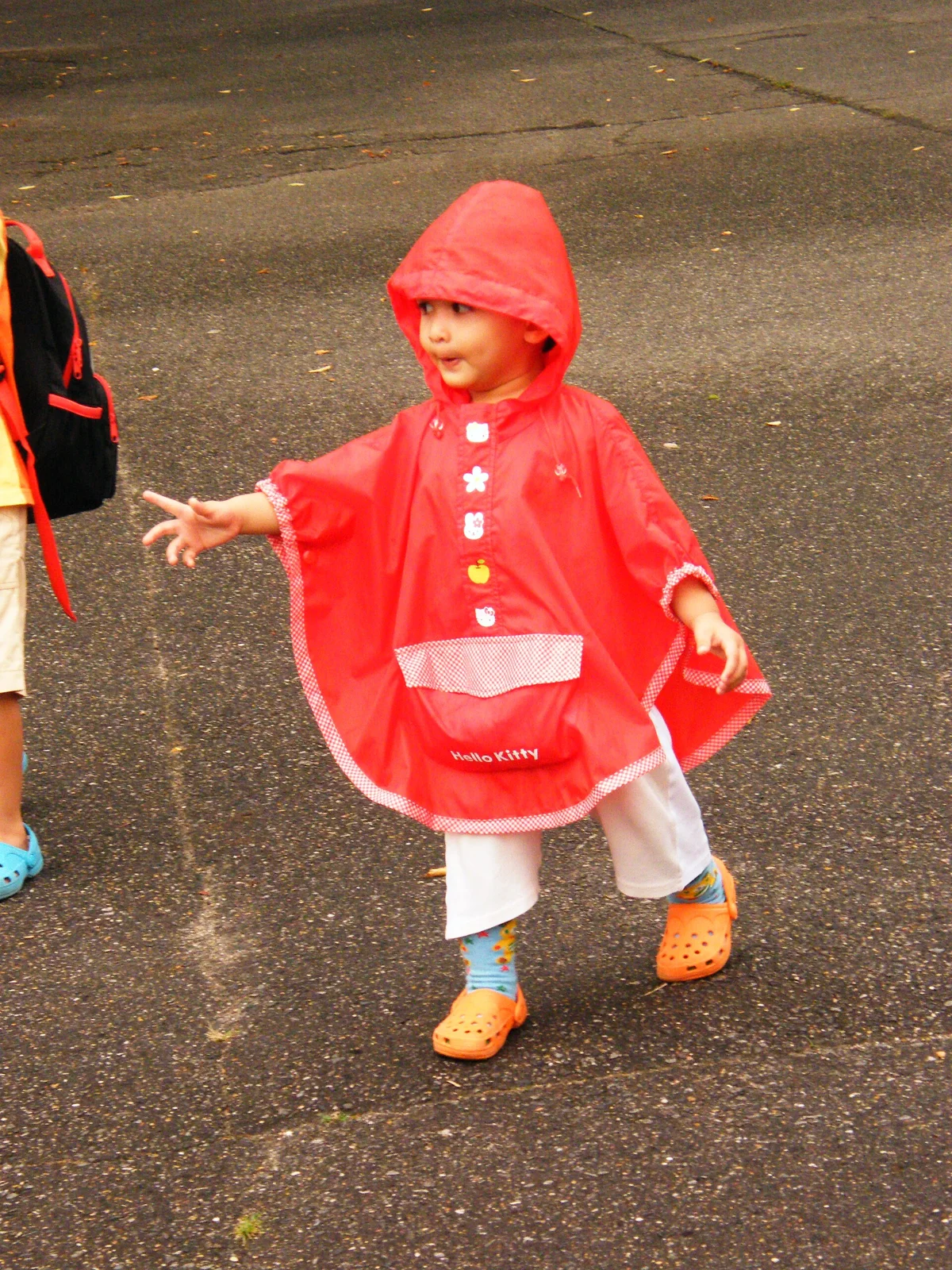
A child’s jacket listing can show a cheerful photograph and still leave an important closure detail unexplained. Before comparing colors, identify where any drawstring runs and the garment’s actual size designation. US Consumer Product Safety Commission guidance treats hood and neck drawstrings differently from waist and bottom drawstrings within specified children’s upper-outerwear size ranges. This is a focused pre-purchase check, not a home compliance test or a declaration that every string on every garment is prohibited.
Identify upper outerwear and the size being offered
Start with the exact model, selected size and garment description. CPSC’s FAQ includes jackets and sweatshirts intended as exterior layers, including lightweight outerwear. Its stated scope is not every item of clothing: trousers, shorts and skirts are outside this particular upper-outerwear definition. A product’s use and construction matter; the word summer does not by itself remove a lightweight jacket from consideration.
Keep garment sizes distinct from the wearer’s age. If a listing uses small, large, a regional designation or a size range, ask the manufacturer how that exact size corresponds to the guidance. CPSC’s FAQ explains equivalent and overlapping size ranges; a seller’s larger-sounding label alone does not settle the question. Record the answer with the model rather than applying one conversion to every brand.
Separate the hood and neck check from the waist check
For children’s upper outerwear in sizes 2T through 12 or equivalent, CPSC identifies hood and neck drawstrings as a substantial strangulation hazard. A shortened-looking cord in a photograph is not a reason to substitute the waist rule. Ask for an exact explanation of the closure when a listing is unclear, and pause the purchase while an important hazard question remains unanswered.
For waist and bottom drawstrings in upper outerwear sizes 2T through 16 or equivalent, the published criteria differ: no more than three inches outside the channel with the garment fully expanded; no toggles, knots or other attachments at the free ends; and bar tacking for a continuous drawstring. These details explain what to verify with the maker, not how a shopper can certify a garment using a ruler and a listing image.
Leave uncertain mechanisms to a specific enquiry
CPSC’s FAQ discusses separate scope details for belts and fully retractable drawstrings. Do not decide that a closure qualifies for an exception because a seller calls it retractable, decorative or adjustable. If that distinction matters, ask which construction the maker means and how it relates to the exact product and current guidance. A partially hidden cord or an edited photograph cannot answer that.
A useful message names the garment, size, cord location and the missing information. For example: “Does this selected size have a drawstring at the hood or neck? Please clarify the closure shown beside the collar.” Keep the request about identifiable features. A general child-safe badge, attractive styling or a review from another buyer is not evidence that all applicable requirements have been met.
Use recall information without inventing a remedy
Check the current CPSC recall and product-safety-warning pages and the manufacturer’s notices using the identifying details available. Read any matching notice for affected models, sizes, dates or other identifiers and the stated action. Keep the original labels and the relevant notice together so a similar-looking product does not quietly replace the one you checked.
If a recall applies, follow its actual instructions, including any stop-use direction and contact procedure. Do not improvise cutting, sewing or removing parts and assume that the result satisfies a recall or establishes overall safety. If the instructions or identity are uncertain, contact the listed responsible party or CPSC. An unsuccessful search is not proof that a garment is safe, and a remedy for one product is not a universal instruction for another.
Finish with a scope-and-question record
Write down the product identity, selected size, whether it is upper outerwear, each relevant cord location, the official guidance consulted and any unresolved maker question. The decision may be to leave the item unpurchased rather than work around uncertainty. This check addresses a particular closure hazard; it does not assess flammability, every component or every possible risk. The photograph illustrating this guide is not a tested example, a compliance recommendation or a claim that its depicted garment has been recalled.
Sources & further reading
Published sources for the details and examples discussed in this story.