This original two-portion mushroom risotto is a cooking proposal, not a tested recipe. No tasting, timing or finished texture has been measured. Its defining method is gradual liquid addition to arborio rice in the pan, rather than separately cooked rice topped with beans or a plan for yesterday’s leftovers. Follow the actual rice packet wherever its preparation requirements differ.
Measure a complete proposed ingredient set
Prepare 200 grams dry arborio rice, 200 grams usable fresh mushrooms, 80 grams onion, one tablespoon olive oil, 700 millilitres hot water with up to 200 millilitres additional hot water held separately, and 30 grams grated Parmesan. No stock, wine, butter, extra topping or salt is required by this proposal. Check all actual ingredient labels and suitability for the people eating.
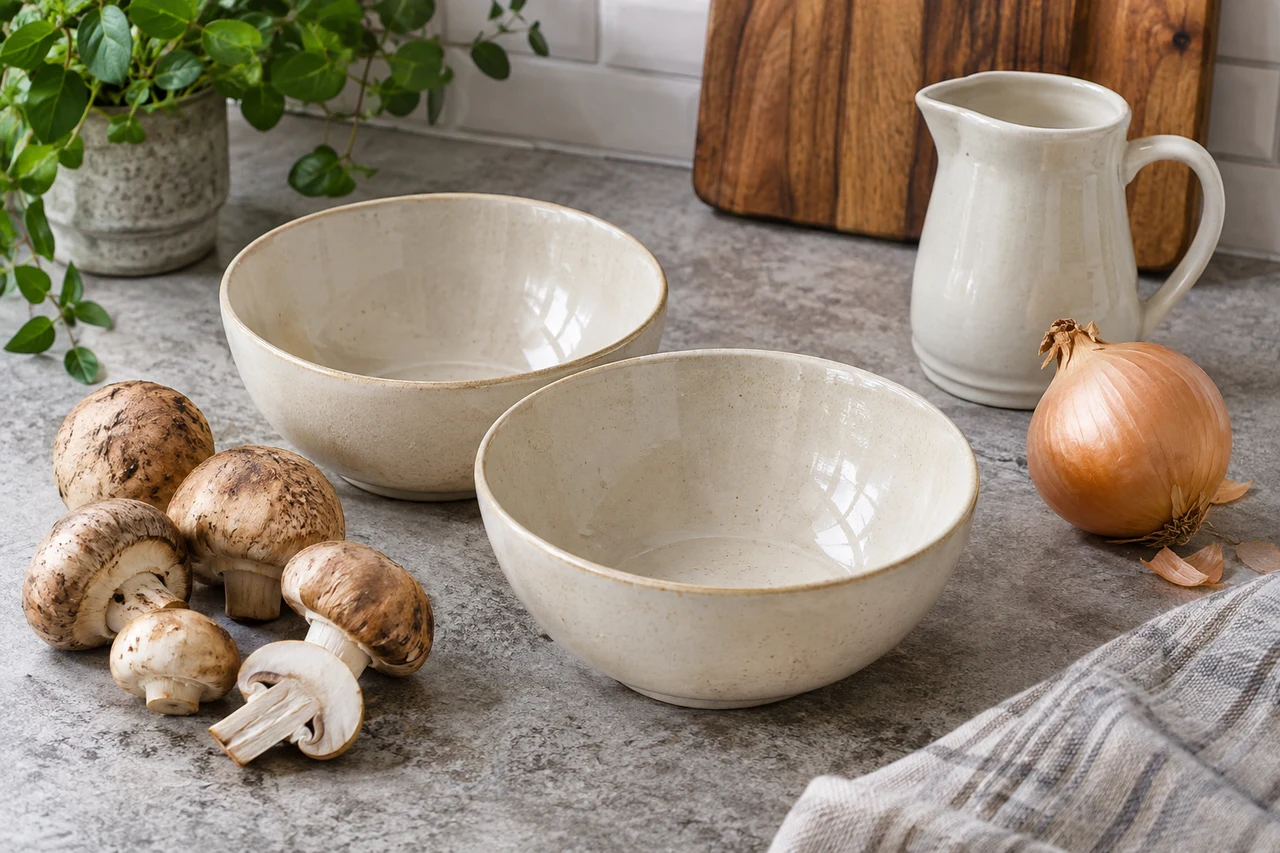
Use a wide pan with at least two litres of capacity, an appropriate heat source, a measuring jug and a utensil suited to the pan. Keep the reserve distinct from the initial water: it is available if needed, not a requirement to force 900 millilitres into rice that is already cooked. Two portions describe the intended division, not a nutrition target.
Prepare the vegetables before beginning the rice
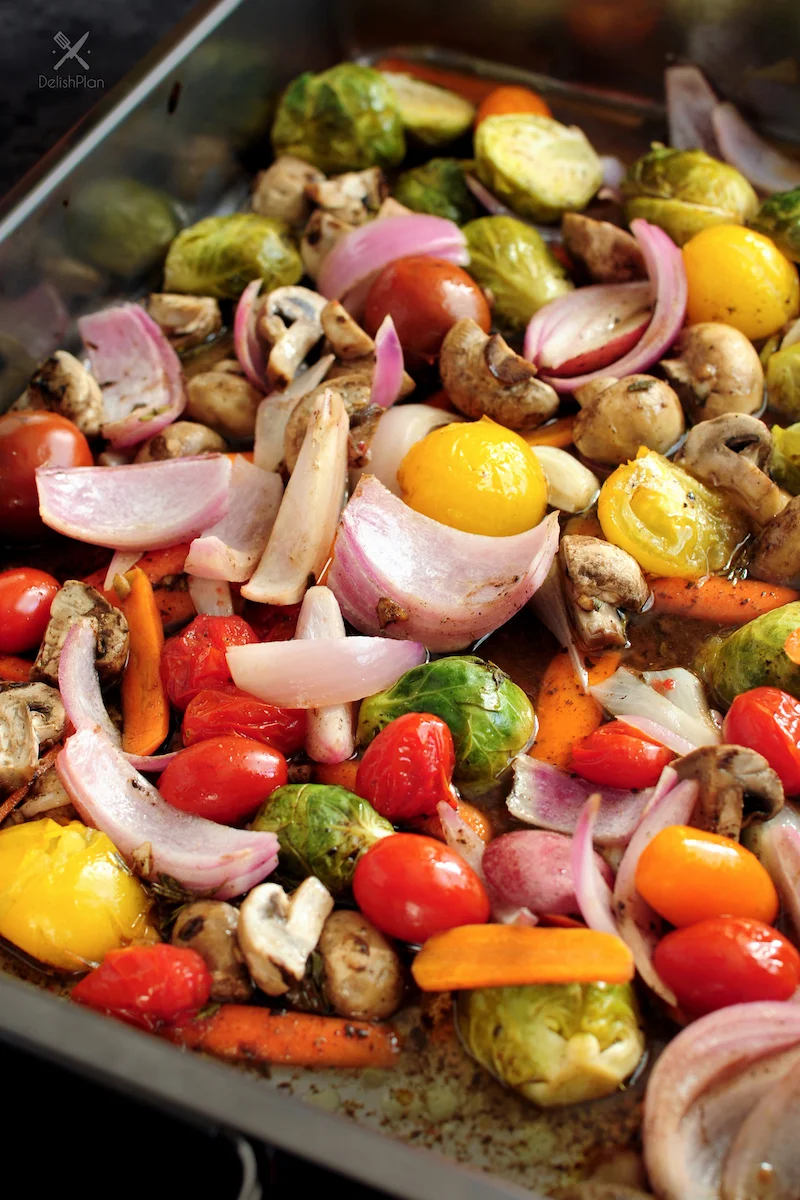
Use clean hands, equipment and work surfaces. FDA advises rinsing fresh produce under running tap water and keeping it separate from raw meat, poultry, seafood and their equipment. Prepare the mushrooms and onion appropriately, remove unsuitable parts, then weigh the usable amounts. Finely chop the onion and slice the mushrooms. The FDA guidance supports handling, not this recipe’s formula or cooking time.
Warm the oil over medium heat and add the onion and mushrooms. Stir until the onion softens and the liquid released by the mushrooms has mostly evaporated, reducing the heat as necessary to prevent scorching. These are proposed cooking cues, not observations from a kitchen trial. Do not begin the liquid-addition stage with an unknown quantity of released mushroom water still pooling in the pan.
Add water in stages and check the actual rice
Stir in the rice briefly to combine it with the vegetables and oil. Add roughly 100 millilitres of the hot water and maintain a gentle simmer, stirring regularly. As that addition is mostly absorbed, add another roughly 100 millilitres and continue in the same way. Avoid letting the pan become completely dry or scorch between additions.
Begin checking around 20 minutes after the first water addition, while following any applicable packet requirements. The rice needs to be cooked without a hard center, with a loose, creamy surrounding mixture. That check is not a guaranteed finishing time. Continue gentle cooking and liquid additions as actually needed, using reserve water only if necessary; stop adding when the rice is done and the desired spoonable consistency is reached.
Finish the two bowls before considering new equipment
Remove the pan from the heat and stir in the measured Parmesan. Divide between two clean bowls and serve promptly. No refrigerated life, reheating schedule, calorie count or measured yield has been established for this assembled dish. Keep appropriate handling in place for every ingredient rather than treating hot water as proof that all earlier preparation was correct.
Before buying a specialist risotto pan, check whether existing equipment supports the proposed quantity and gradual-addition method. A suitable jug and a pan-compatible utensil may be the only useful additions. If the actual rice requires a materially different process, use that process rather than forcing this untested proposal to override it. The intended result is a complete small supper, not an equipment performance test.
Sources & further reading
Published sources for the details and examples discussed in this story.