Everyday containers rarely arrive as a coordinated collection. A short jar, a tall pump and a brightly labeled tube can make a dressing surface look busy even when every item is used. You can change the relationship between them without transferring cosmetics into matching decorative bottles or hiding the information that identifies them. The two arrangements below are invented visual examples. They do not assess a real person's products, hygiene or skin needs. FDA advises reading cosmetic labels, following directions and warnings, and keeping containers clean and tightly closed when not in use. Those practical requirements take precedence over a display that looks orderly from a distance.
First arrangement: give a mixed group an edge
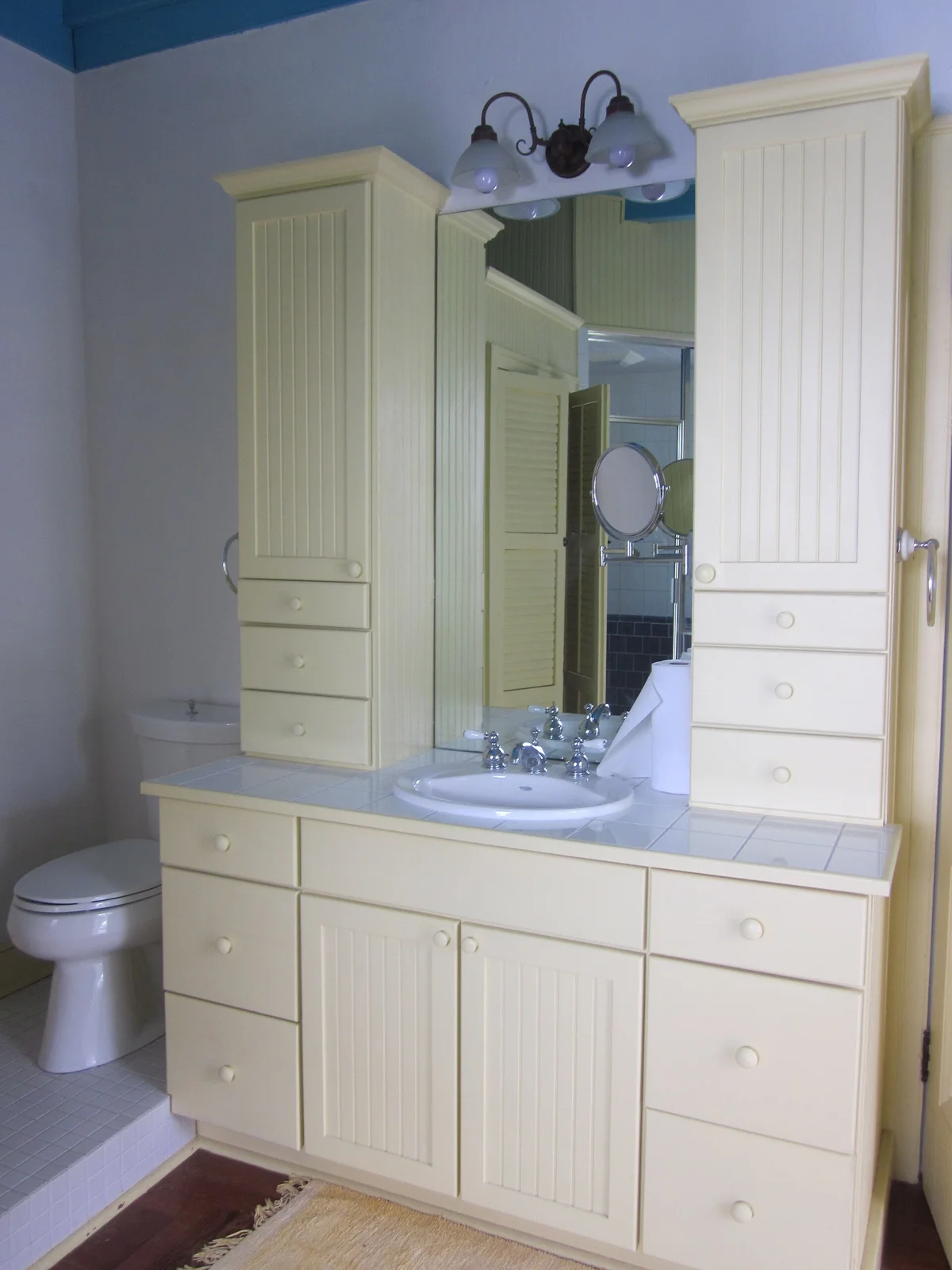
Imagine a dressing surface holding three ordinary products in their original containers: a tall pump, a low jar and a tube. All are appropriate for that surface and its conditions under their actual instructions. The initial arrangement spreads them across the whole top, interspersed with unrelated objects. The eye has to find a new small group wherever it looks.
In the first revised view, the three products occupy one side, leaving a useful clear area beside them. Their spacing is deliberate but not so tight that taking the jar requires knocking the pump aside. The grouping has a visible edge; it does not require a uniform gap measured between every object.
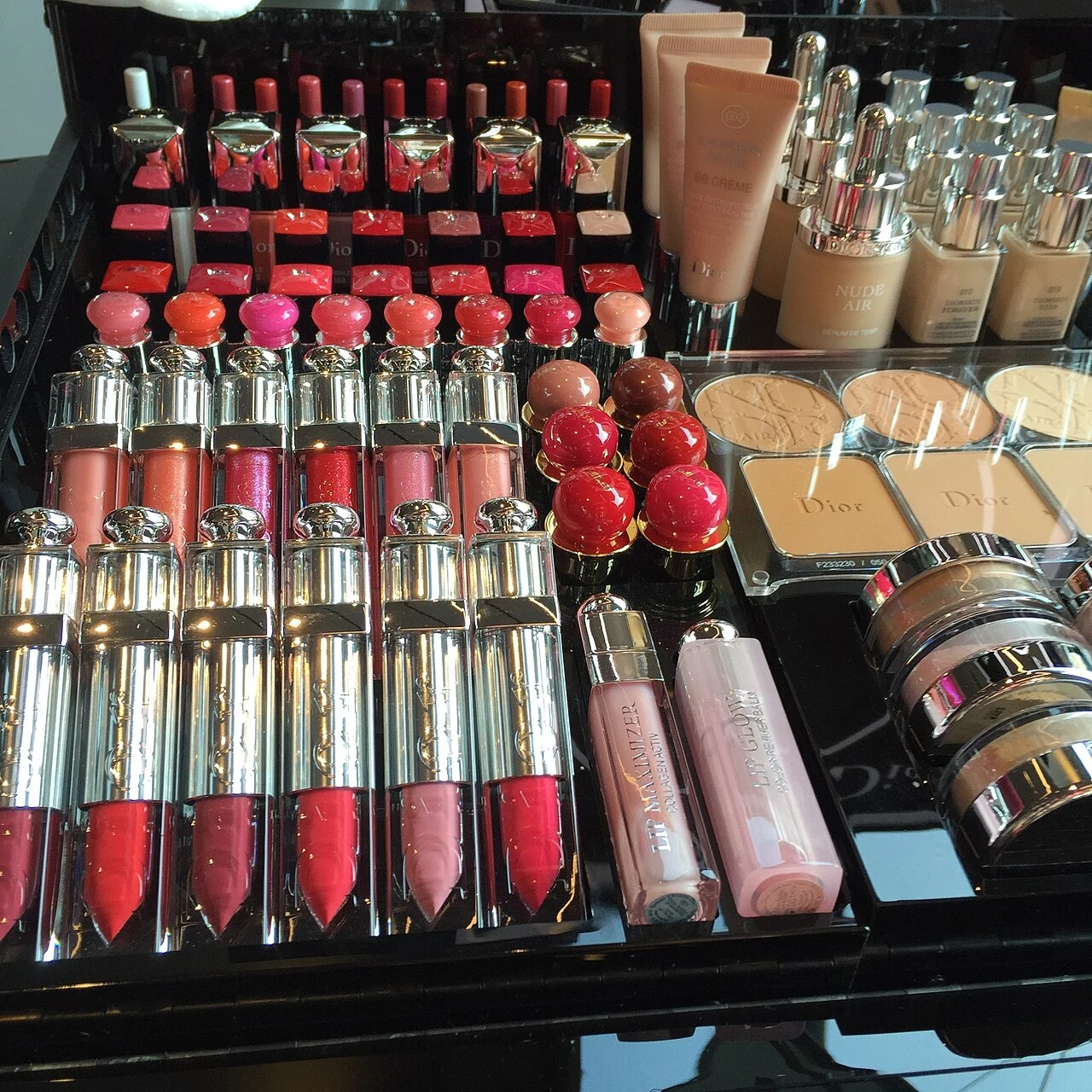
The labels remain available. Turn a container to suit actual access and identification rather than making every brand name face the wall for the photograph. A surface that looks quiet but makes two similar products harder to distinguish has acquired a new practical problem.
Second arrangement: one anchor, fewer competing objects
Keep the same containers. In the second imagined view, an existing suitable mirror provides one larger shape behind them. The tall pump sits to one side of the mirror's visual center, with the smaller items nearby. The broad mirror gives the group a reference point; the products no longer have to create a perfect row by themselves.
If that mirror is already correctly installed or positioned according to its instructions, no new anchor is needed. Do not balance an unsuitable frame against a wall because the imaginary composition calls for height. A securely appropriate existing object is more useful than a staged arrangement that cannot remain in place.
Compare the two views from where the person actually gets ready. One may prefer the clear side grouping without a central backdrop. Another may like a larger visual reference. These are preferences, not claims that a particular geometry reduces stress or improves a routine.
Let recognizable packaging do its job
FDA's consumer advice emphasizes using the label and keeping containers closed. A decorative transfer is unnecessary for either composition. Keep any directions or other packaging information needed to identify and use the product, and follow its actual storage requirements. This feature does not establish that every cosmetic belongs on an exposed dressing surface.
An attractive container cannot supply a missing product identity or safe-use instruction. If a product needs a different storage place, move it appropriately rather than insisting that the visual group remain complete. The gap can stay empty; it does not demand a replacement bottle bought for its shape.
Decide whether a tray would actually help
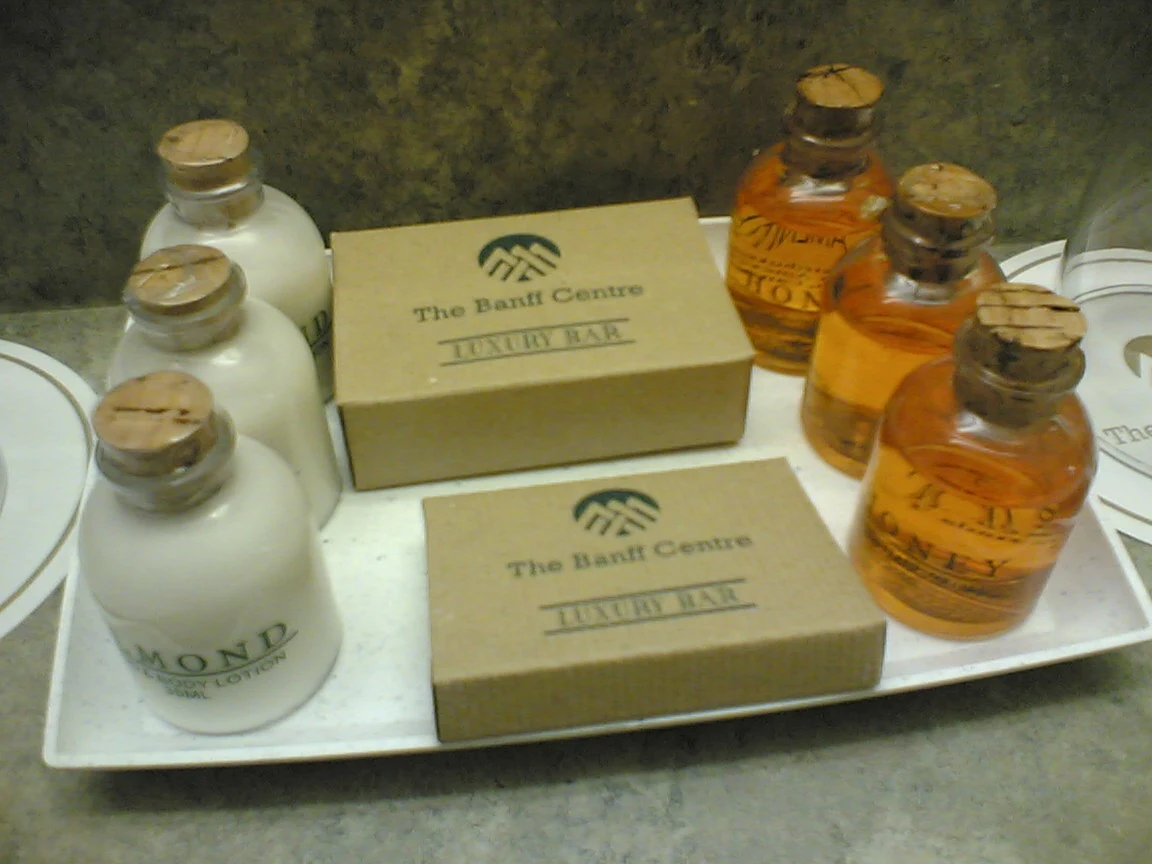
Try the spacing with what is already there before shopping. A tray can define an area, but its usable interior, raised edges, stability and care need to work with the actual containers. If the pump is awkward to operate inside it, a coordinated finish has not solved the task.
Compare the full dimensions with the clear space you want to retain. A small tray may be useful; no tray may be preferable. Keep purchasing tied to a specific improvement such as easier appropriate cleaning or a usable group boundary, not the expectation that all everyday packaging should disappear.
Sources & further reading
Published sources for the details and examples discussed in this story.