This small stovetop recipe puts softened apple into the oats rather than using raw slices only as a topping. It makes two bowls from one cup of old-fashioned rolled oats. The apple is cooked first, so its texture can be checked before the oats thicken the pan. A second serving option adds a measured amount of hot water to the finished bowl. This is an original recipe proposal, not a report of kitchen testing or a nutritional claim.
Gather the ingredients and the right oat format
For two servings, use 1 cup old-fashioned rolled oats;150 grams apple after coring, cut into roughly 1 centimeter dice;2 cups water for the oats;2 tablespoons water for the apple;½ teaspoon ground cinnamon; and, optionally,2 teaspoons maple syrup, divided between the bowls. Have extra water available only for the specified apple-pan adjustment and the looser serving option below.
Use a saucepan with a lid and enough room for the ingredients to simmer and be stirred without crowding. This recipe uses a stovetop method. It does not transfer the timing to instant packets or steel-cut oats. Quaker's old-fashioned stovetop guidance uses½ cup oats to 1 cup water or milk for one serving and about 5 minutes of cooking after the oats are added. The two-serving oat-and-water amounts here follow that starting proportion.
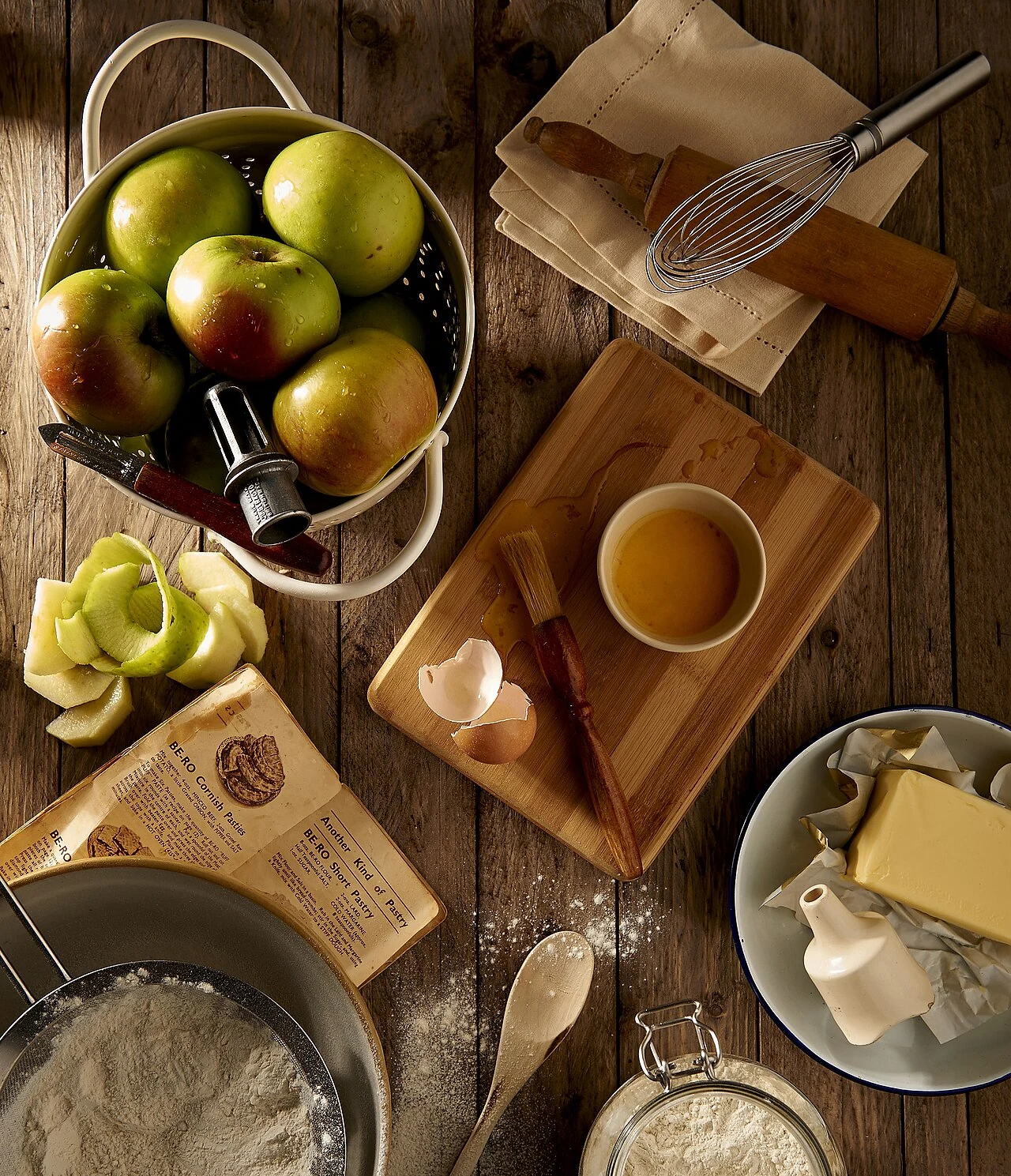
Before cutting, wash your hands and prepare clean utensils and a clean work surface. Rinse the apple under running water before coring and dicing it; FoodSafety.gov advises washing produce before peeling or cutting, without soap or commercial produce washes. No special apple variety or new cookware is required by the design.
Soften the apple before thickening the pan
Put the diced apple,2 tablespoons water and cinnamon in the saucepan. Cover and cook over medium-low heat for about 5 to 8 minutes, stirring occasionally. Check a piece with a fork: it should yield readily rather than remain firm in the middle. The cue matters more than an exact minute because apple variety and the actual dice size differ.
If the apple pan becomes dry before the pieces soften, add 1 tablespoon water at a time, using up to 2 additional tablespoons for this small batch. Keep the heat low enough to avoid scorching and reassess the pieces as they cook. Those additions belong to the apple stage; they do not replace the separate 2 cups water measured for the oats.
Once the apple is tender, add those 2 cups water and bring the mixture to a boil. Stir in the 1 cup old-fashioned oats. Reduce to a steady medium simmer and cook about 5 minutes, stirring occasionally, until the oats have softened and the liquid has thickened into a porridge. Do not leave the pan unattended to force a fixed timing result.
Choose one of two finished-bowl textures
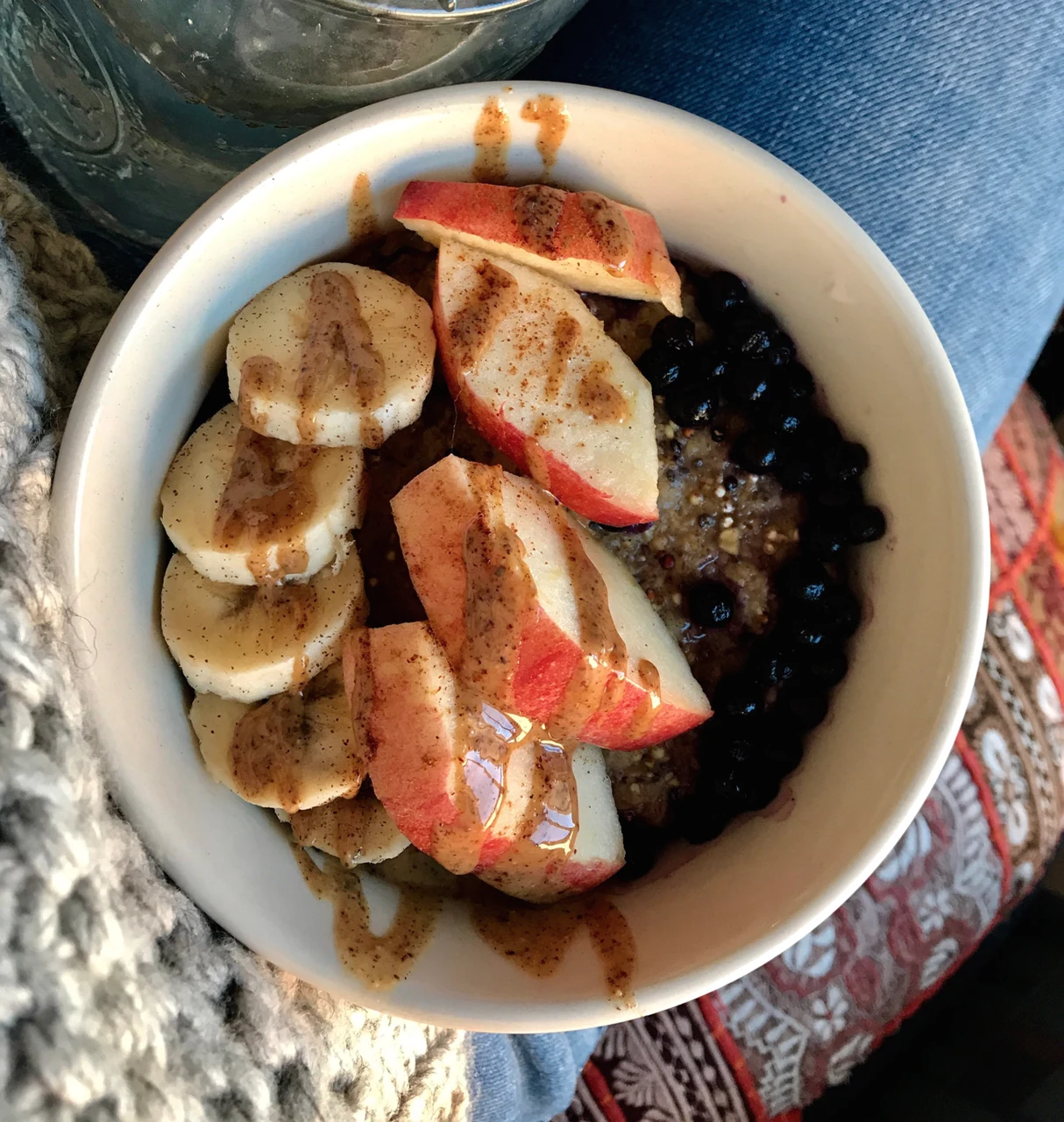
For the spoonable version, remove the pan from the heat, let it stand for 1 minute, then stir and divide it between two bowls. The apple should be distributed through both portions rather than left in one large scoop at the bottom. Add 1 teaspoon maple syrup to each bowl if using it.
For the looser version, prepare the same recipe and resting step. Then stir 2 tablespoons freshly heated water into each individual bowl. Across both servings that adds¼ cup water in total. This is a defined adjustment to the finished oats, not an instruction to double the cooking liquid or guess how much milk a different oat product absorbs.
Let each portion reach an appropriate eating temperature before serving. The hot saucepan and porridge require ordinary care. The two options are texture choices; neither is described as healthier or more suitable for a medical or dietary requirement.
Serve the batch you made, and handle any leftovers promptly
The intended result is two bowls served after cooking, not an unmonitored pan held for a later gathering. If there are leftovers, FoodSafety.gov advises putting them in shallow containers and refrigerating promptly. Perishable food should not remain out for more than 2 hours, or 1 hour when exposed to temperatures above 90°F.
Keep the actual ingredient labels with any personal dietary or allergen considerations. This recipe does not certify the oats or other ingredients as gluten-free, calculate calories or prescribe a breakfast portion for an individual. Check the actual products and appropriate advice where those questions matter.
For another attempt, keep the oat type and starting quantities the same before changing the final texture adjustment. That makes a personal note about spoonable versus looser more useful than altering the apple, oat format and water all at once. No result from such an attempt is claimed here; the complete quantities and cues give the cook a clear starting plan.
Sources & further reading
Published sources for the details and examples discussed in this story.