Some evenings do not end so much as drift. A program rolls into another, a charger stays beside the sofa and a few small jobs remain open in the room. A calmer wind-down does not require an expensive sleep product. It can start with making the living room easier to leave when you decide the evening is finished.
Notice what holds the evening open
Choose one ordinary night and list the unfinished loops: dishes on the coffee table, a laptop still open or tomorrow's bag waiting to be packed. Separate tasks that genuinely need doing from things you can schedule for another time. The aim is to remove small obstacles, not to create a demanding nightly housekeeping ritual.
Give each repeated item a landing place. A tray can carry cups to the kitchen; a shelf can hold the current book; a basket may gather items that belong upstairs. Keep those places limited. A large catch-all container can hide several days of decisions and make the room feel tidy without making the next morning easier.
Make the next step obvious
If you intend to stop watching after one episode, decide what happens next before starting it. Put the remote where it belongs, close the curtains if needed and move toward the next part of your routine. This is a practical cue to try, not a guaranteed behavioral technique or a treatment for a sleep problem.
CDC's sleep guidance emphasizes regular habits and a relaxing bedroom environment. Support those basics without turning the living room into a shop window for devices that promise better rest. Persistent trouble sleeping, daytime impairment or other symptoms are reasons to speak with a health professional, even when the room itself has become beautifully organized.
Buy comfort for a specific use
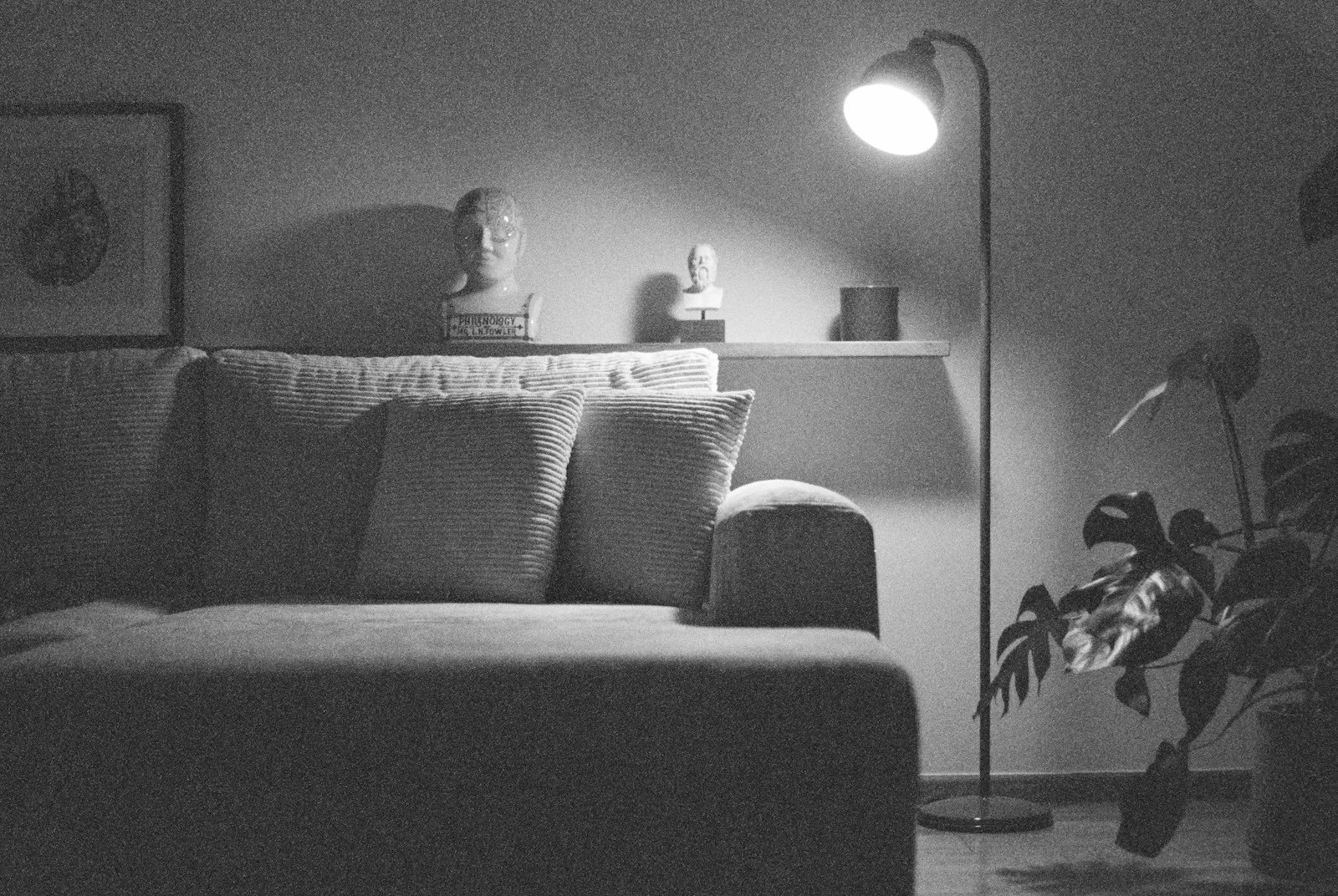
A reading light may be useful if overhead glare makes a quiet book unpleasant. A washable throw may suit a cool room. Buy the missing practical feature, not a whole collection of evening accessories. Check fabric care, electrical instructions and the storage space the item will need during the day.
Avoid assuming that a scent, supplement or particular color of light will solve a medical concern. If you enjoy a familiar fragrance, remember that other people in the household may have different preferences or sensitivities. A room can feel restful through clear surfaces, a comfortable seat and an ordinary routine without adding another product at all.
Keep the reset short enough to repeat
Choose a small closing sequence: carry cups out, put the book away and check tomorrow's essentials. Leave major cleaning for its planned time. If a shared household uses the room later, agree on a realistic way to leave it ready for the next person rather than requiring everyone to finish their evening together.
After a week, keep what helped and drop what created extra work. You might discover that charging a device elsewhere removes a repeated return to the sofa, or that a smaller side table reduces the temptation to pile up tasks. Judge the arrangement by ordinary evenings, including imperfect ones, rather than by a single carefully staged night.
Sources & further reading
Published sources for the details and examples discussed in this story.