Packing a damp tent at the end of a trip can be a temporary transport decision. Leaving it compressed afterward is a different one. REI’s tent-care guidance distinguishes drying as much as possible before packing from drying thoroughly once home, and describes loose, cool, dry long-term storage. The fictional homecoming below organizes that handoff. It reports no actual camping trip, fabric inspection or proof of waterproofing.
Keep the wet bag connected to a next action
Imagine arriving home with a tent that could not be fully dried before departure. Put “unpack and dry” ahead of treating the gear bag as finished luggage. Consult the exact tent maker’s instructions before choosing how to handle its materials, components and condition. A general care article does not identify the tent in the bag.
For this invented household, the owner first clears an appropriate drying area rather than buying another storage container. Do not leave the wet bundle among clean bedding simply because the cupboard is convenient. If a suitable arrangement cannot be established immediately, make the need explicit and resolve it promptly; no universal safe period for leaving a wet tent packed is supplied here.
Separate drying from a new cleaning project
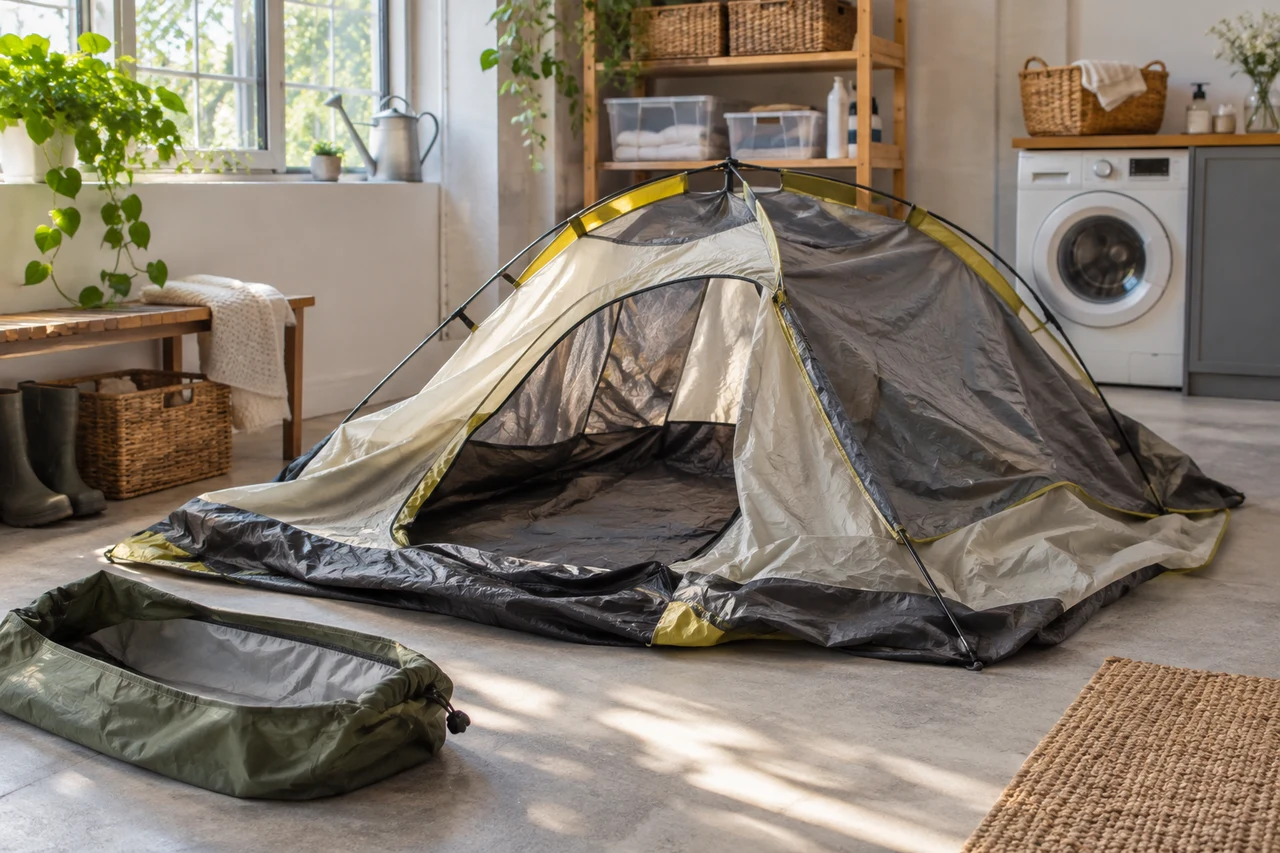
REI describes airing a tent fully dry indoors or in a shaded outdoor location; when pitching space is unavailable, draping can provide another arrangement. Use an appropriate setup for the actual tent and location, following its maker’s directions. The purpose here is drying, not a new seam-sealing or waterproofing operation.
Do not put the tent in a washing machine or dryer. This workflow supplies no solvent, chemical concentration, abrasion method or treatment for an unidentified stain. A tent needing cleaning or repair requires the complete applicable instructions separately, rather than adding an improvised treatment while the fabric is already spread out.
Make the drying check include what will be packed
In the fictional plan, the owner keeps the relevant tent components together in the care task while allowing each to dry as its directions require. The check concerns the actual parts about to be stored, not just a dry-looking patch in the middle. Folded areas or fabric against another surface should not disappear from attention merely because the outside looks better.
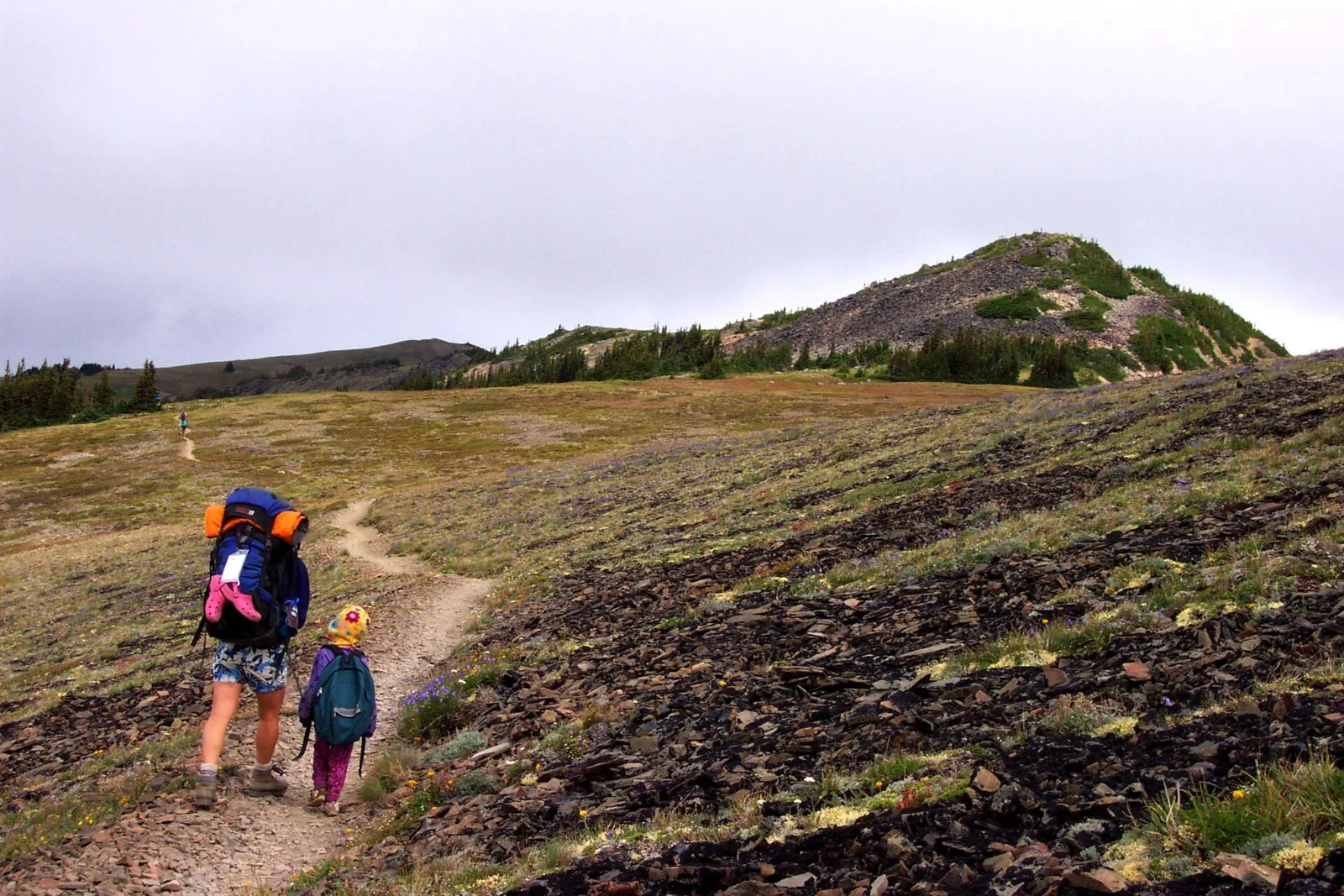
No touch test described here certifies moisture content or readiness for a named product. Establish the actual condition and requirements before packing. If something remains wet, the next action is still appropriate drying, not relabeling the bag “finished.” Do not treat a pleasant outdoor photograph as proof that drying has occurred.
Choose storage after the condition is resolved
REI recommends storing a fully dry tent loosely, such as in an appropriate breathable bag, in a cool, dry place. Its compact trip sack and long-term arrangement therefore need not be the same. Avoid locations that are hot or damp, and retain the exact maker’s storage guidance.
The household can now decide whether an existing suitable loose bag and shelf answer the need. A larger sealed box is not automatically an improvement. Record any real repair question separately before the next trip, so the storage note does not imply that a leaking seam was fixed. The full cycle ends with condition and location considered together, not merely a tidier cupboard.
Sources & further reading
Published sources for the details and examples discussed in this story.