A cat carrier is easiest to choose before the next appointment is already looming. The useful model has to suit the cat, the journey and the way the veterinary team will handle the visit. Begin with a routine car trip rather than a vague promise that one carrier is approved for every form of travel.
Ask about the appointment routine
Contact the clinic for carrier advice, especially if your cat has previously found visits difficult or has a condition that affects movement. Ask how the team prefers to access the cat and whether a particular opening style is helpful. The answer can guide a practical feature choice without turning the purchase into a search for the most elaborate enclosure.
Check the manufacturer's size and weight guidance against the actual cat. A photograph beside a small kitten is not enough information. Compare the internal dimensions, door opening, latches and carrying handle. The carrier should be an appropriate secure space, not simply the smallest box that can be closed around the animal.
Decide how it will travel
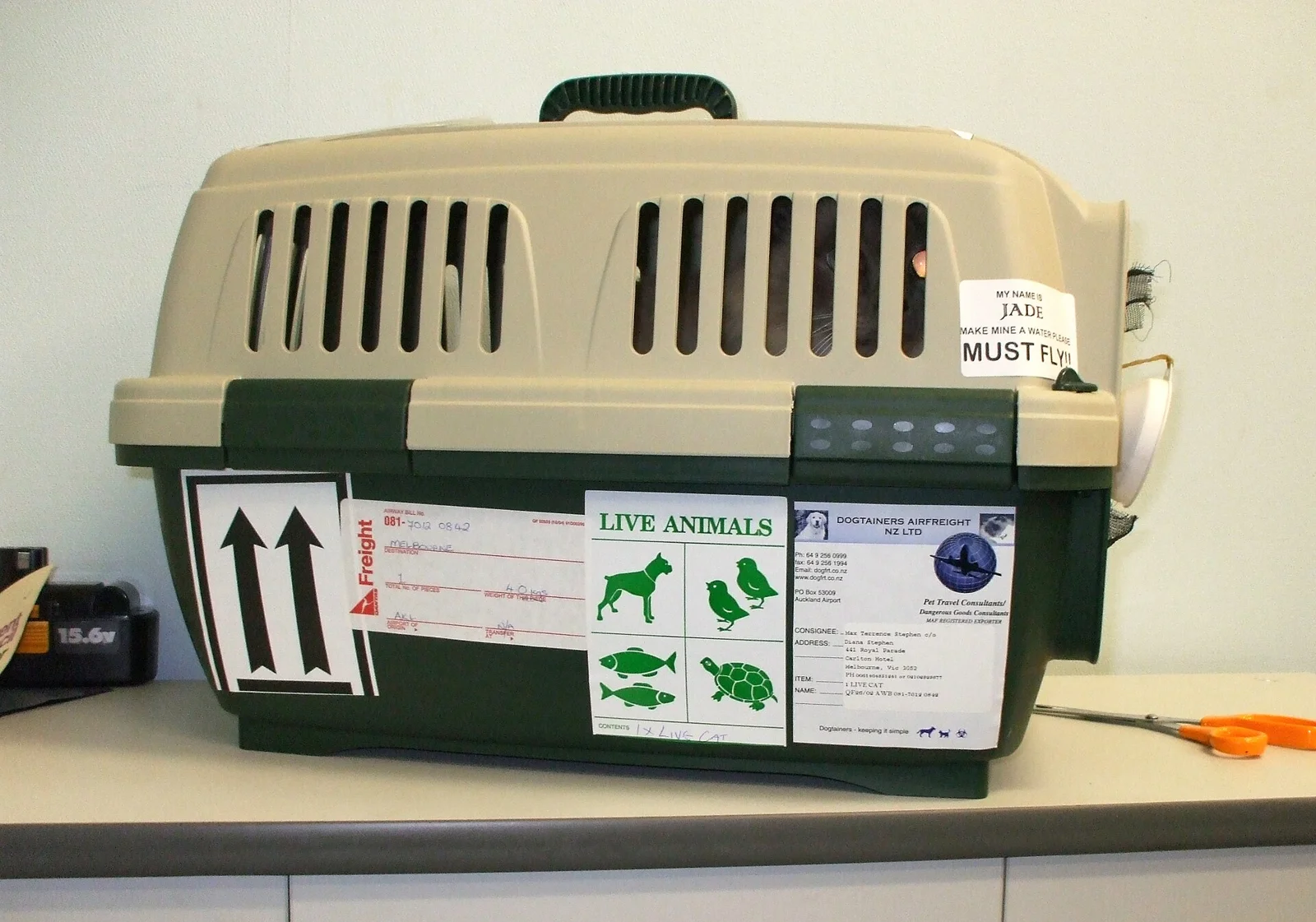
A rigid carrier may be easier to inspect and clean, while a fabric design can present different carrying and storage advantages. Check how the specific product should be secured in your vehicle. A shoulder strap or handle is not necessarily a vehicle restraint. Follow the maker's instructions and ask the clinic about any uncertainty before the journey.
Air travel is a separate planning task. Requirements vary by airline and journey, so do not interpret a general marketing label as permission to board. Confirm the exact rules with the operator before booking. Health documentation and individual suitability need appropriate veterinary advice, particularly for a cat with an existing condition or a difficult travel history.
Make the carrier familiar at home
AVMA recommends helping pets get used to the carrier before travel and notes that a familiar blanket or toy can help comfort. Find a suitable place to leave the carrier accessible under a safe familiarization plan, rather than producing it only when departure is urgent. Ask the veterinary team for practical help tailored to your cat.
Choose a liner that can be managed according to both its own care instructions and the carrier's design. Avoid filling the space with bulky items that interfere with the intended use. Keep any additional supplies organized outside the animal's compartment so doors and ventilation are not obstructed by an improvised packing arrangement.
Check the small failure points
Before each trip, inspect fasteners, hinges, handles and the base. Reassemble removable parts exactly as instructed after cleaning. A carrier with a damaged catch should not be kept in service because the appointment is inconvenient to reschedule. Have the clinic's contact details and the travel plan ready, and keep the cat appropriately confined during the car journey.
Clean the carrier using the manufacturer's recommended method and allow it to dry before storage or reuse. Discuss nausea, distress or medication with the veterinarian; do not try sedatives or borrowed remedies on the strength of a carrier review. An appropriate product supports a travel plan but does not replace individual veterinary care.
Sources & further reading
Published sources for the details and examples discussed in this story.