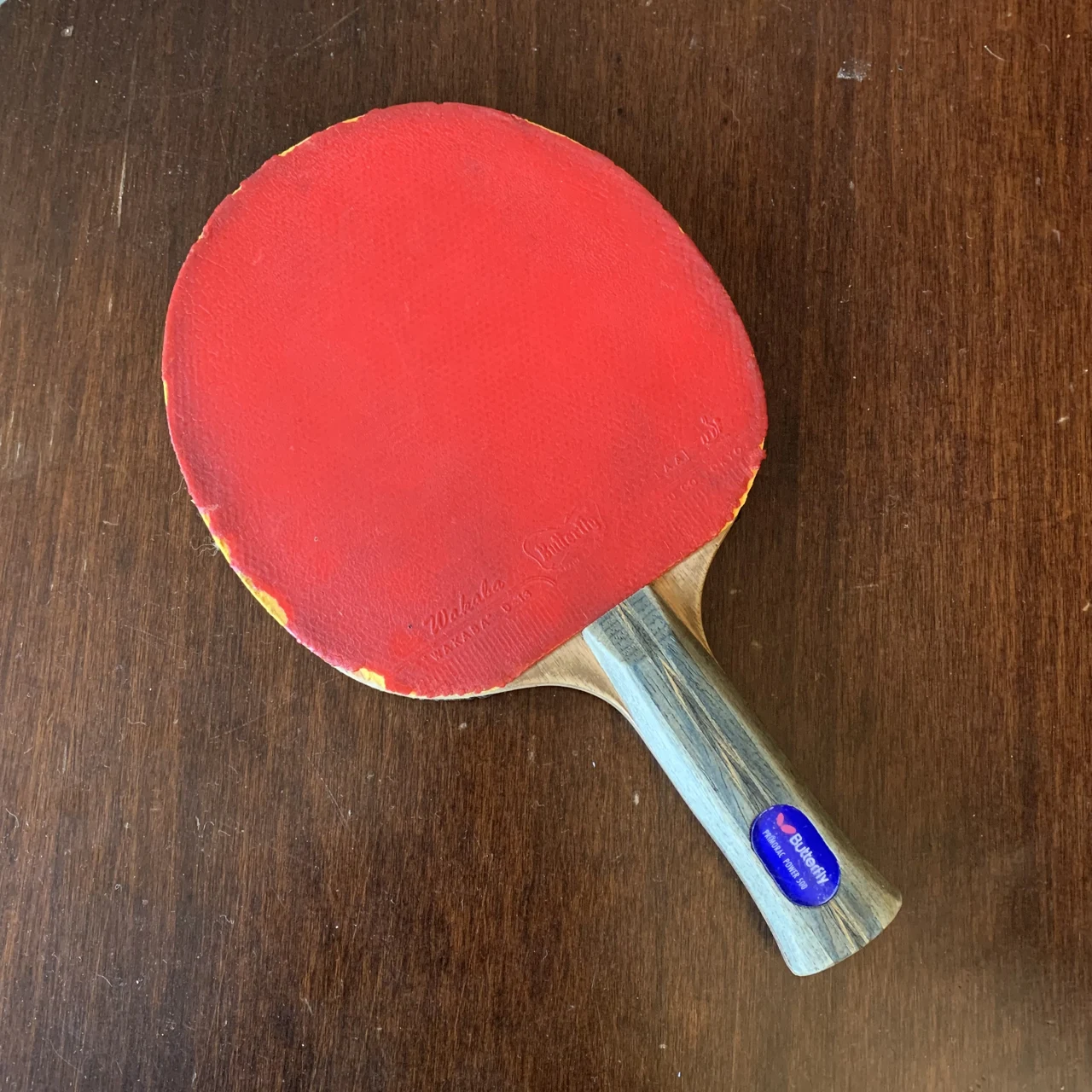
Two adults can enjoy the same casual outdoor activity for different reasons. One wants the small suspense of winning a point. Another wants a shared run of returns that both helped keep going. Agreeing on the format can matter more to the afternoon than buying a more elaborate version of the equipment. The situations below are invented social arrangements, not a copied commercial rulebook or a game we tested. Assume the fictional adults have already chosen an appropriate activity, suitable familiar equipment and a permitted setting. CDC guidance distinguishes physical-activity information for different groups; choosing cooperative scoring does not establish that an activity is physically suitable for everyone.
Hold the activity still while changing its purpose
Imagine two friends, Mina and Jules, using a familiar ball-return activity on a suitable outdoor court. We are comparing what they count, not teaching strokes, choosing a ball or setting a level of exertion. Their real needs and the activity's appropriate rules and equipment instructions would remain separate.
Before beginning, Mina says she would enjoy a little competition. Jules says he is more interested in keeping a rally going. Neither preference is a judgment about being a good sport. They need to choose which kind of success this particular game will recognize.
Make a shared rally a genuinely shared result
For the cooperative version, imagine an original small goal of five consecutive returns counted together. Each completed return advances the same count. If the sequence ends, they can begin another or decide they have played enough. Five is an invented game target, not an exercise dose or a claim about the players' abilities.
The interesting moment arrives when the count reaches four. Both want the next ordinary return to keep the sequence alive. The result belongs to the pair, so a successful fifth return is not a point taken from the other person. They might enjoy that joint suspense even if they never exceed the first target.
There is no need to call a broken rally someone's failure to cooperate. If counting consecutive returns becomes frustrating, they can abandon the target and continue in another mutually agreed way. Cooperation is the format they chose, not a moral obligation to enjoy it.
Let a competitive round offer something different
For the alternative version, imagine short competitive rounds with a mutually understood way to award points. They use the actual activity's appropriate rules rather than make this feature a technical rules source. The point now belongs to one player, and the next exchange can alter who is ahead.
Mina might prefer that clearer contest. Jules might discover that he enjoys a short round when everyone has agreed it is a contest, rather than finding competition quietly introduced halfway through a supposedly shared rally. A close score can be part of the pleasure without turning an ordinary afternoon into an assessment of either person.
Keep the format explicit when changing between versions. A person trying to extend a rally and a person trying to win a point are pursuing different outcomes. Their disagreement may be about the arrangement, not an unwillingness to play well.
Leave room for someone who does not want to play
Imagine a third friend who would rather watch and talk between rounds. They do not need to become an umpire, scorekeeper or photographer to justify being present. An optional role can be offered without making it the price of declining the activity.
Likewise, a player can stop without proving that the group has reached a meaningful total. Cooperative language should not become pressure to continue for someone else's target. If people want different afternoons, a brief game and another shared activity may be a more useful choice than a longer contest everyone is expected to tolerate.
Before buying extra equipment, decide whether the current question is participation or a genuinely missing practical feature. A new scoring accessory cannot resolve an unspoken disagreement about whether anyone wanted a score in the first place.
Sources & further reading
Published sources for the details and examples discussed in this story.